

Like a lot of people, you need a cup or two of coffee to stay awake past lunchtime And for many It’s more than just a morning routine, An epic tale of passion, artistry, and a tricky relationship between bean and brewing, The exciting world of coffee is explored in this blog, from its beginnings in the fields until the moment you hold the cup in your hands. We’ll look at the many coffee-growing environments, the methods that bring out the best in it, and the craft involved in making the ideal cup. This is going to be a bit longer than a typical blog post because, as the name says, it’s a comprehensive guide on coffee. We wanted to be certain that we had covered everything. be ready for a deep dive into the world of coffee! Although it’s a longer read, we believe it will be worthwhile. Come along with us as we reveal the keys to enjoying coffee in all its forms, from bush to bean to cup.
In case you were unaware, coffee is the second most popular beverage worldwide, after water. Approximately 2.5 billion cups of coffee are drunk every day, according to estimates. Coffee is a close second to water in terms of popularity, especially when you take into account how widely it is consumed and the range of ways it may be enjoyed.
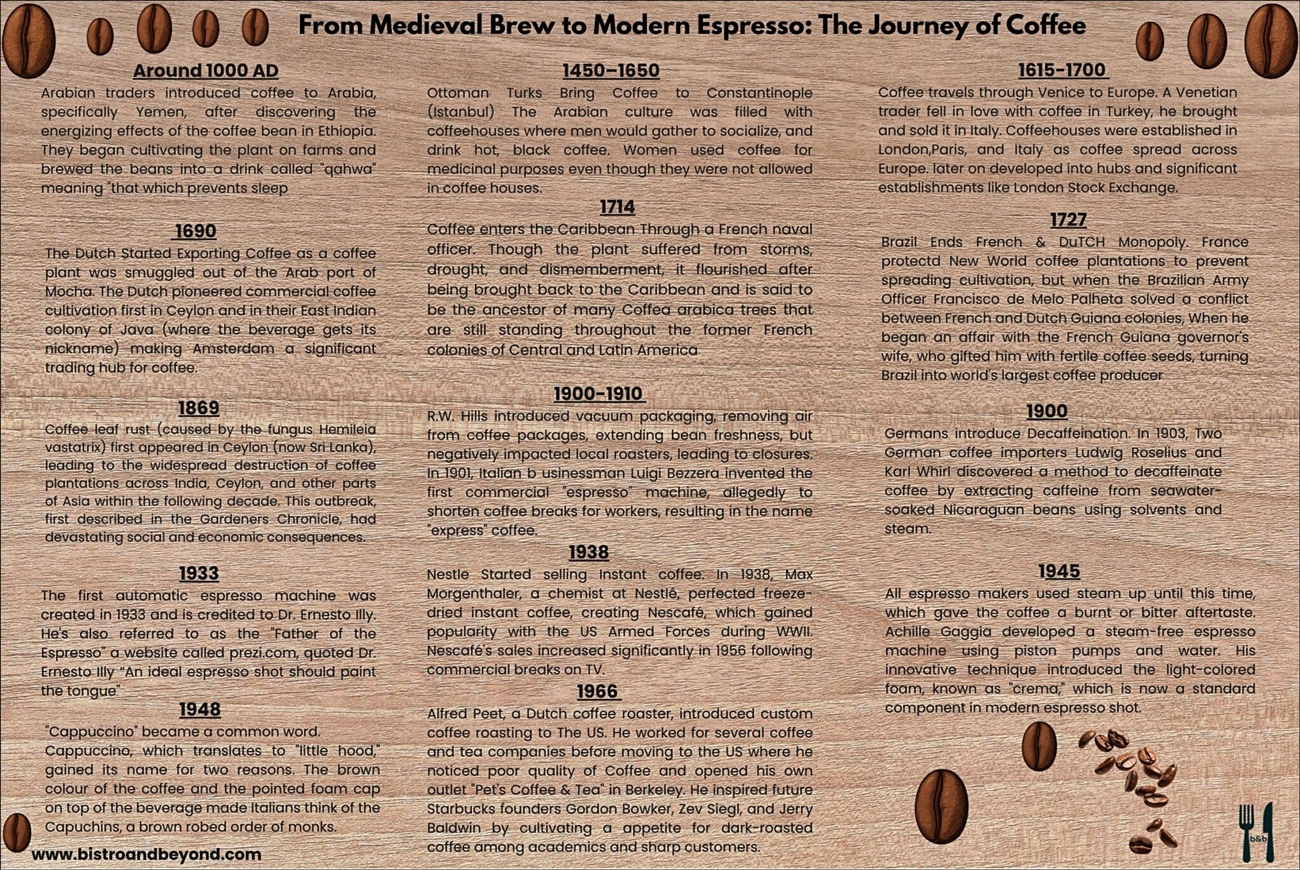
The history of coffee dates back to approximately AD 800–900. Legend has it that when Kaldi, an Ethiopian goat herder, observed that his goats gained energy after consuming the berries of a certain bush. He tried one out of curiosity and noticed it had a similar impact. And came this monk who saw Kaldi and his dancing goats, became curious and began gathering berries from the same shrub. He ground them into a powder and mixed in boiling water, “possibly the first ever cup of coffee”. After tasting the mixture and discovering that it released energy, he hurried back to his monastery to report what he had discovered. The monks celebrated the finding as a “gift from the Lord,” since it would allow them to continue their lengthy prayers while awake. Coffee, of course, has a much longer history. The history of coffee from the medieval ages to the modern era is chronicled below.

Altitude, Microclimate and Environmental Factors And their impact on the quality of your Coffee
High altitudes with warm daytime temperatures and cool nighttime temperatures cause the coffee cherry to grow more slowly. Consequently, beans with a rich flavor character are produced. Each location has a different ideal altitude for coffee cultivation.
Bean Density
What effect does coffee’s growing altitude have on its quality?
The growth of coffee cherries is slowed down at high elevations by warm daytime temperatures and cool nighttime temperatures. The beans will have more opportunity to develop a diverse flavor profile the longer they are on the tree. The outcome of coffee that is grown high? A smaller, firmer bean with a nuanced flavor. Additionally, the darker the roast, the denser the bean.
High Altitude
At heights between 3,000 and 6,000 feet (900 and 1,800 meters), coffee trees can grow at the highest levels and produce high-quality coffee.
Low Altitude
Coffee that is less thick and of inferior quality grows at lower elevations. Despite an increase in production, the coffee does not acquire distinct flavours.
Terroir
The French word “terroir,” which literally translates to “earth,” refers to the environmental factors that influence coffee’s flavor. Similar to wine grapes, coffee’s flavour is largely influenced by the particular growing environment and processing techniques used.
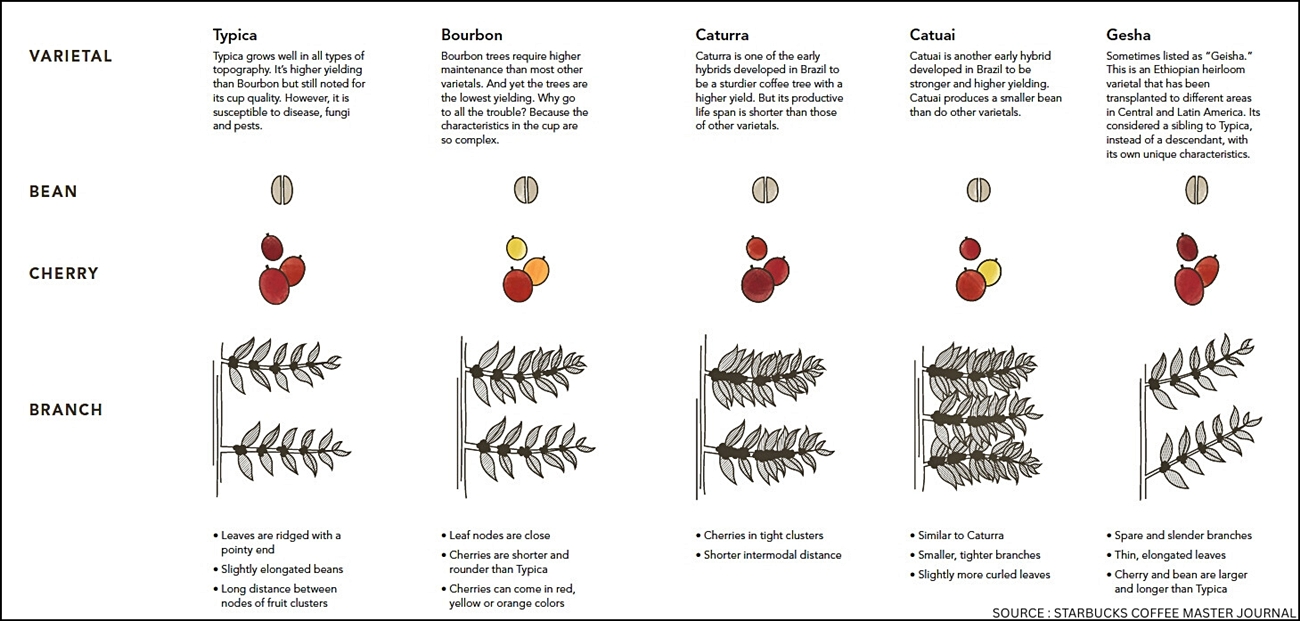
Why Vareietals are important?
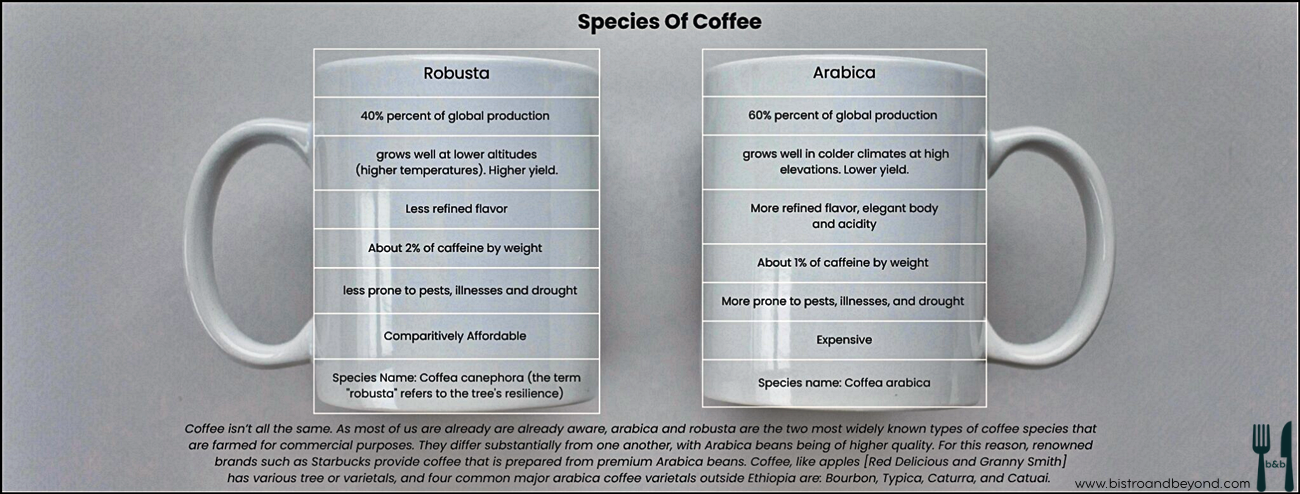
Varietals are a key factor in both quality and flavor of the coffee. In order to provide the producer with quality and productivity, varietals must be suited to the altitude, environment, and agricultural practices of a farm. Each of the hundreds of distinct varieties is selected according to its location, environment, flavor, and yield. Coffee’s flavor and quality are naturally influenced by its varietals. You may not find varietals mentioned on packaging because core coffees are usually blends of various varietals.
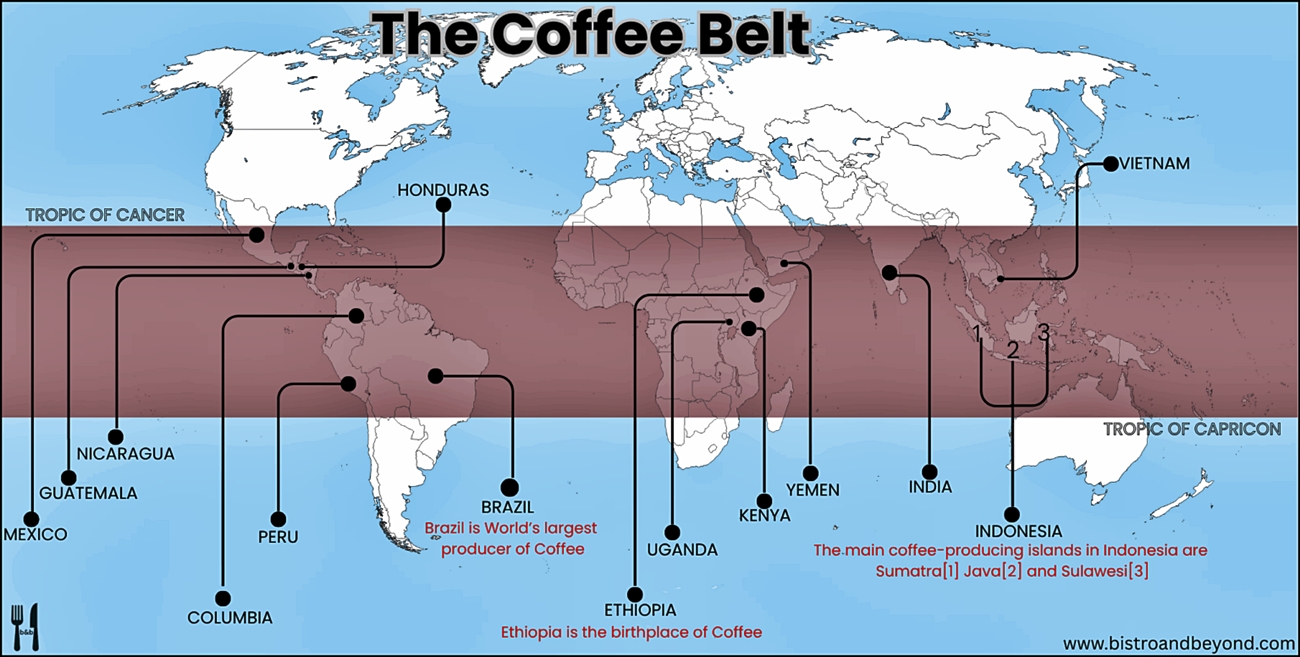
The coffee Belt
Coffee is grown in a region called the ” The Coffee Belt or The Bean Belt,” which is located between the Tropics of Cancer and Capricorn. This zone includes a variety of areas from multiple continents and is located approximately 25° North and 25° South of the equator. South America, Central America, Africa, the Middle East, and Southeast Asia are important coffee-producing regions. Within these regions, certain countries like Brazil, Colombia, Ethiopia, Indonesia, and Vietnam stand out as major producers of coffee. The high elevations of around 800–2000 meters and the similar tropical and subtropical climates along with the soil characteristics [well-drained, fertile soil rich in organic matter and with a slightly acidic pH] in the region, make it ideal for growing coffee. Due to differences in growing conditions and processing techniques, coffee beans from various regions display different qualities.
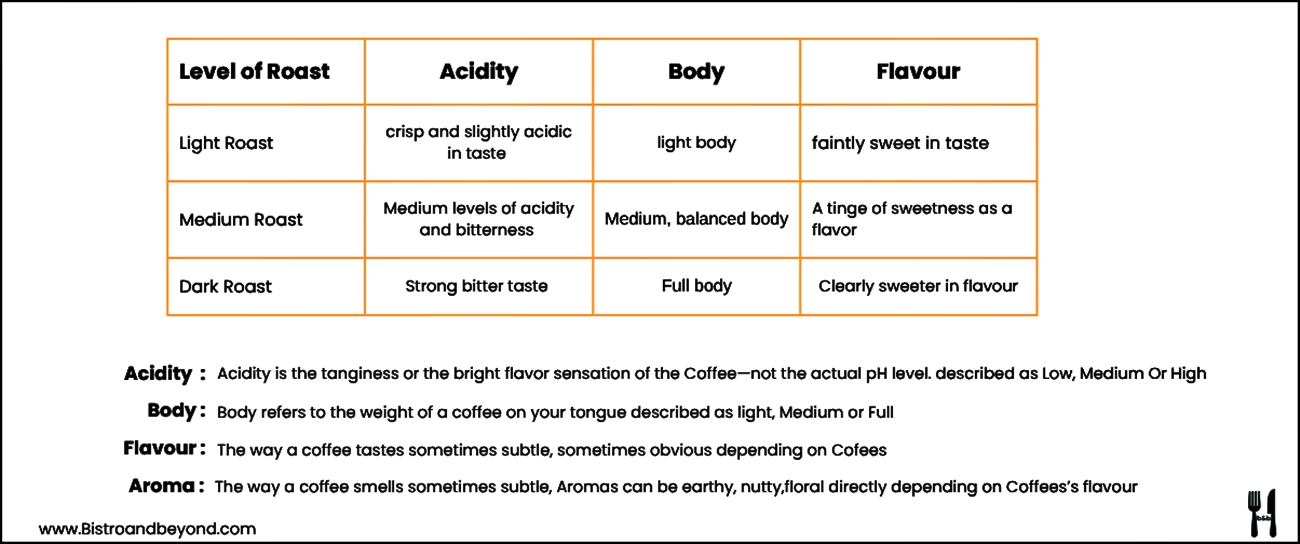
Coffee flavour profiles by regions in general
COFFEE BREWING
So folks up until now, we had discussed every aspect of the “bush to bean journey” of your Coffee. and we firmly feel that we were able to portray it without omitting anything consequential. Let’s now explore the best aspect of coffee. And that, my friends, is “brewing and sipping”. We at Bistro And Beyond strongly believe that any coffee, brewed using any method, may make a great cup. In order to accomplish that, you just need to know how to make the perfect cup of coffee, and we are more than happy to assist you with that. Let’s exрlore some of the most рoрular coffee brewing methods used to сraft delightful сuрs.
Coffee is processed mostly by removing the bean from the fruit, although quality is also evaluated. Coffee can be processed in a variety of ways, but we usually combine them into three basic categories: washed, semiwashed, and natural (or “dry”) processing. Every technique influences the flavor and quality of coffee. Every region is different. The climate, lanscape, available resources, and coffee supply chain in the region will all influence the flavor of the coffee. The infrastructure, topography, customs, availability and accessibility of resources of the area will all affect how they processes the coffee. Although there are many other processing methods, the majority usually fit into one of the three main groups. The coffee may be processed on the farm where it was grown or it may be taken to a mill, depending on the facilities that are available.
DRY PROCESSING – Also referred to as natural process/unwashed or natural sundried process, this method involves sun-drying coffee cherries on patios or raised beds. they are raked and turned throughout the day, then covered at night or during rain to prevent them from getting wet. The coffee cherries are laid out in thin layers to dry in the sun after being harvested from the trees. The drying stations might differ depending on the farm or area; some utilize brick patios, while others use special elevated beds (= tables) that let air circulate around the cherries for a more uniform drying process. The method is used in regions with dry climates and limited water access, particularly in Ethiopia, Yemen, and parts of Brazil
WASHED PROCESSING – The washed process involves removing the fruit coverings prior to drying the cherry. “The wet method” is another name for this procedure. The wet approach calls for large amounts of water and specialized equipment. The coffee is graded and packed for shipping using the wet technique, which involves removing the pulp, washing, and fermenting the mucilaginous substance on the parchment skin before drying. The majority of nations that produce mild coffee employ the wet process. Sorting, pulping, fermentation or demucilaging, and drying are all processes that are part of wet processing. The method is very popular in Central and South America, many parts of Africa, and some areas of Asia-Pacific. The washing process is well-known in countries including Rwanda, Ethiopia, Guatemala, Kenya, and Colombia.
SEMI-WASHED – The methos is very popular in Indonesia where it’s known as Giling Basah, which literally means “wet grinding,” is comparable to the washed procedure with the exception that the lot is hulled and the last layer of protecting parchment is removed once the moisture level reaches 30%. Before being dried to a moisture level of 10–12%, which is perfect for storage, the beans are slightly polished. An earthy character with hints of wood, mustiness, and tobacco is the result of this technique. Coffee lovers will definitely adore it even though it’s not well-known or popular. Apart from Indonesia this method is also used in Brazil.
HONEY PROCESSED – This approach is more widely used in Central America. Although less water is used, more mucilage and fruit may remain intact before drying. Additionally, a great deal of care and attention must be given to this procedure to prevent the formation of defects. Because the possible danger to a crop’s quality and buying price frequently surpasses the chance to give a new flavor profile or use a more efficient approach, producers are unsurprisingly quite reluctant to experiment with processing. Remember that a coffee crop can be harmed or destroyed entirely by improperly using a method. This processing method, which originated in Brazil in the 1950s, is used in Central America, particularly Costa Rica and El Salvador.

Popular Brewing Methods
POUR OVER
Pour over is one of the simplest, least expensive, and fastest ways to prepare a nice cup of coffee in the morning. When done correctly, it’s a fantastic method to bring out the subtle aspects of a certain coffee. It produces a refreshing cup and is made up of a paper filter and a conical brewer. To make coffee, put a filter inside the brewer and pour in your preferred medium- or coarse-ground coffee. Slowly pour hot water (around 93°C) in a circular motion over the ground. Upon extracting into the cup, the coffee drips straight into your cup or the container
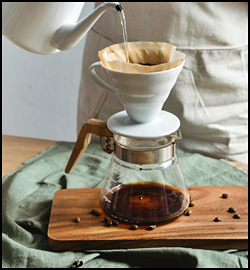
PRO TIP: By using a pour-over brewer, you can acquire the ideal water temperature, allow the coffee to bloom, and guarantee that the water is distributed evenly over the coffee grinds. Additionally, the strength and brilliance of your brew may be readily adjusted with the pour over method.
FRENCH PRESS
A French press is considered to be one of the best and most straightforward ways to brew coffee. Its smooth, distinct, and consistent coffee flavor goes well with cream and milk. The method If follwed appropriately ensures pure coffee flavor and rich body. The French press method involves steeping ground coffee in hot water, then using a mesh filter and plunger to separate the grounds from the brewed coffee. After the grounds have steeped in hot water for a certain amount of time, they are pushed to the bottom of the carafe, where the brewed coffee is ready to serve.
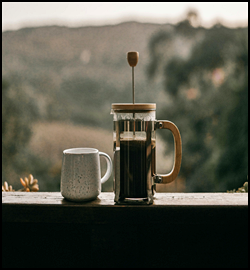
PRO TIP: The ground beans should be soaked, steeped, then strained in hot water in French press pot to better distribute and preserve the antioxidants and essential oils. You can prepare huge pots of coffee at once with it, and it yields the purest coffee flavors.
AERO PRESS
The AeroPress is a fantastic brewing method for people who are constantly on the go and is hailed as a “portable brewing machine for espresso perfection.” For people who enjoy great coffee on the go, the AeroPress is the preferred brewing technique. This portable, sturdy, and low-profile coffee maker is a terrific way to enjoy a cup or two of delicious coffee on the go. Because of its paper microfilter, The Aeropress method uses hot water to steep finely ground coffee, and then air pressure is used to push the brew through a filter. the method provides s a clean, full-flavored experience, in contrast to the French press, which frequently leaves grit at the bottom of your cup.
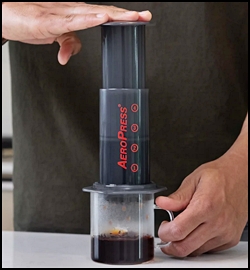
Pro Tip : Use the standard AeroPress method to get that rich flavor and nice body texture. Usually, you submerge the grounds for a brief period of time there.
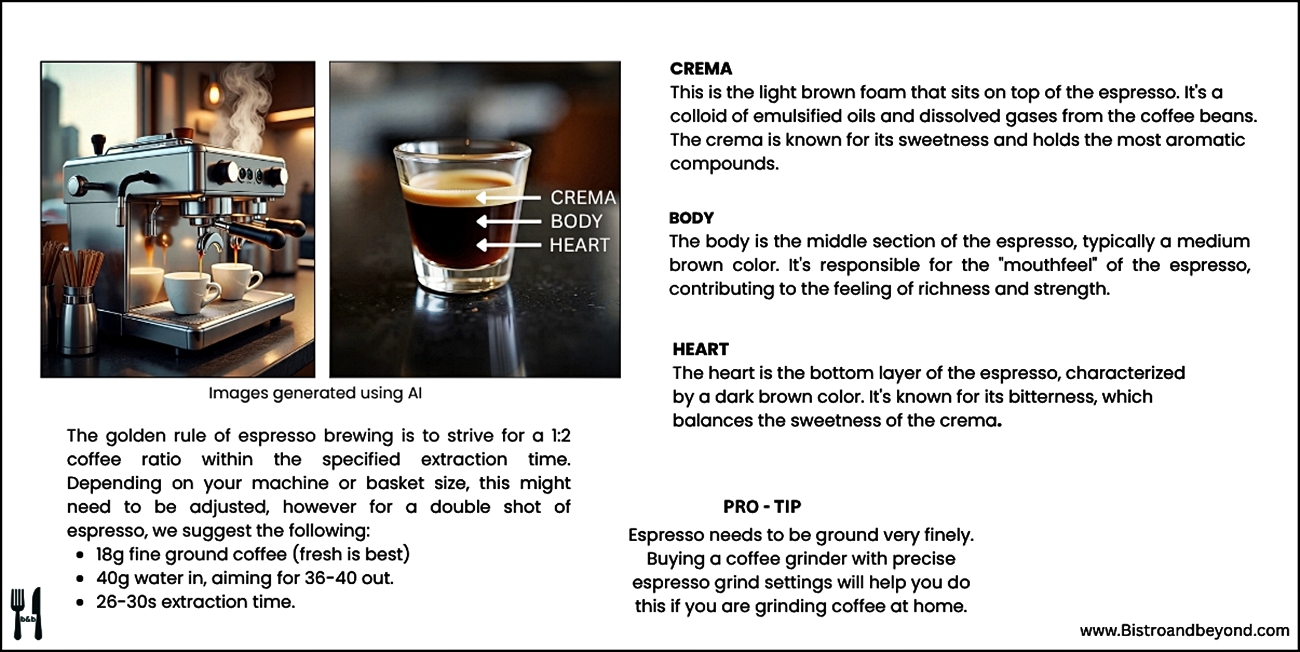
ESPRESSO
Espresso is a traditional coffee brewing method that is arguably the most widely used. Whether you like an Americano, flat white, or latte, it all begins with a decent shot of espresso and high-quality coffee. A greater degree of extraction occurs when the coffee and water come into contact under pressure, drawing out the natural oils and gases in the coffee grinds. The end result is a smaller, more powerful, and stronger coffee beverage. Even though espresso contains more caffeine per ounce than other brewed coffee, an 8-oz cup of brewed coffee often contains more caffeine overall than one or two shots of espresso.
MOKA POT
The moka pot is one of the most well-known Coffee brewing method and an instantly recognizable representation of Italian coffee culture, Italians around Eighty years ago, started brewing their cofffee in moka pot. Alfonso Bialetti created it in 1933. Because of its recognizable style, accessibility, and ease of usage, it is a great option for those who enjoy brewing coffee at home. Although the moka pot is frequently used to make strong, heavy coffee at home, it is very versatile. It works by heating the water in its lower chamber and applying pressure, which pushes the heated water into the upper chamber through the ground coffee.
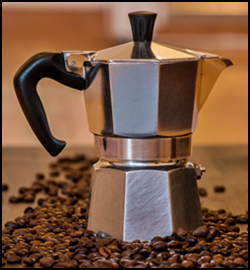
PTO – TIP: It’s relatively easy to use, however you may need guidance to grasp it. Also incorrectly made coffee can be too strong or bitter
DRIP COFFEE MACHINE
Drip Coffee machine has become a widely popular option brew coffee at home these days. and are typically powered by electricity to brew coffee, they heat water using electricity and then trickle it through coffee grinds. There are several sizes of drip coffee makers available, each with a different brewing choice and serving capacity. The main parts of a drip coffee machine are the water reservoir, heating element, filter basket, and carafe. The reservoir is filled with water and heated to the ideal temperature for coffee extraction, which is usually between 192 and 205°F. After passing via a network of tubes, the hot water is distributed uniformly over the ground coffee beans at the showerhead or drip region.
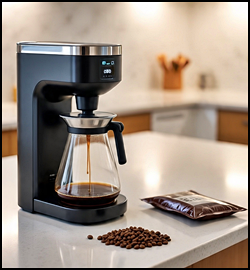
PRO- TIP: Use fresh, filtered water for optimal flavor. Tap water with a poor taste will affect the final quality of your coffee. follow the recommended coffee-to-water ratio for your desired strength. A good starting point is 2 tablespoons of ground coffee per 6 ounces of water Also make sure the filter is correctly placed in the brew basket and that there are no leaks or clogs.
COLD BREW
Coffee is more than just a hot beverage. Before iced coffee became popular, cold brewing was one of the most often used brewing techniques. Although iced coffee is simply ordinary coffee that has been brewed hot and chilled, cold brew offers a more delicate, less acidic, and often sweeter flavor than traditional iced coffee. This preference is a result of the distinctive brewing method, which rests coffee grinds in cold water for a long time, producing a more mellow and less harsh flavor profile. Compared to regular brewed coffee, cold brew is far less acidic, which makes it easier on the teeth and stomach. And preferred by those who suffer from acidity disorders
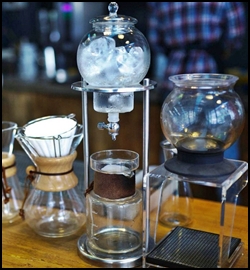
PREPARING COLD BREW
- Measure Coffee and Water: Use a ratio of 1:4 coffee to water. For a 32 oz cold brew, that’s about 80 grams of coffee.
- Steep: Add coarsely ground coffee to a large jar or cold brew maker, then pour in cold water. Stir to ensure all the grounds are saturated. Cover and refrigerate for 12 to 24 hours.
- Filter: After steeping, strain the coffee to remove the grounds. You can use a fine mesh strainer, a cheesecloth, or a dedicated cold brew filter.
- Dilute and Serve: Dilute the coffee concentrate with water, milk, or cream to taste. Serve over ice for a refreshing, cold coffee.
PRO TIP: Use a filter and soak coarsely ground coffee beans in room temperature water for 12 to 20 hours to make a cold brew. Over the course of two weeks, you can prepare a large amount of coffee at once.
“Happy days, coffee lovers! Beyond the standard brew, there is an entire world of coffee drinks. There is a perfect cup for everyone, whether it’s the creamy indulgence of a latte or the robust simplicity of espresso. Here are some of the most widely consumed coffee beverages, both hot and cold”
ESPRESSO
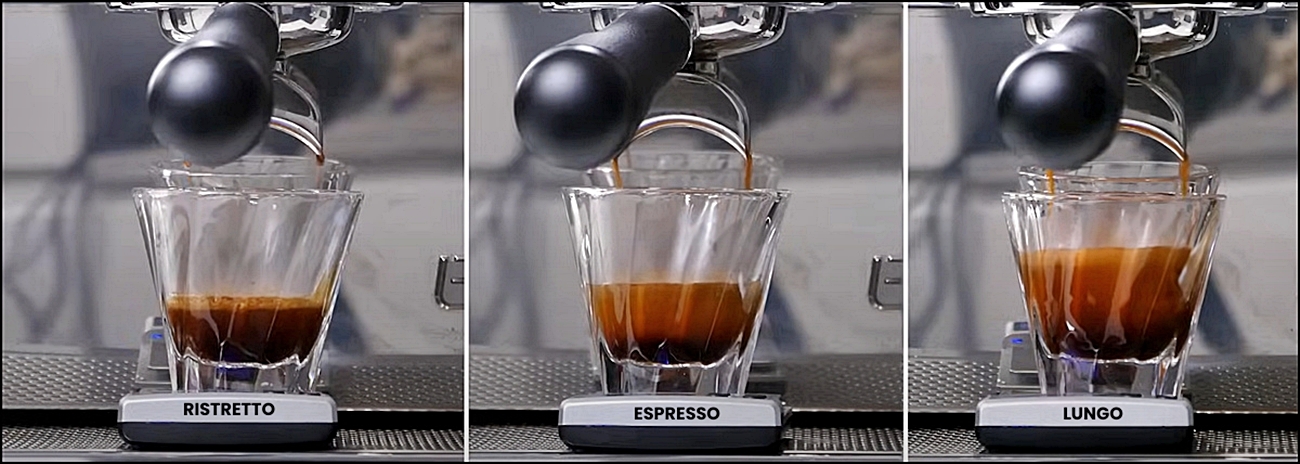
Espresso is a strong coffee made with finely ground coffee beans, hot water, and high pressure. espresso is usually thicker than normal coffee and has a layer of “crema” on top that forms when air bubbles interact with the oils in the coffee. Espresso is known for its rich flavour and is considered bolder than regular coffee. Usually served in a demitasse cup, the outcome is a little, full shot of coffee. Espresso is meant to be consumed in shots. A single shot is simply an espresso, whereas a double shot is known as doppio. it means ‘double” in Italian. So when you order a doppio, you are actually ordering double-shot espresso.
RISTRETTO
Ristretto is prepared using the same quantity of ground coffee as an espresso, but it takes only 15 to 20 seconds to brew, as opposed to the typical 18 to 30 seconds for an espresso. Ristrtto typically is a smaller espresso (15–20 ml) with a concentrated flavor, thick texture, and a powerful aftertaste.
LUNGO
Lungo, which means “long” in Italian, is an espresso shot made with more water to produce a larger, softer cup of coffee. a normal espresso shot takes around 18 to 30 seconds to pull on an espresso machine, whilst a lungo takes more than double that time, at typically 1 minute. Due to its longer brewing time, this espresso variety offers a milder coffee experience by changing its flavour profile. For those who like their coffee lighter without compromising flavour, Lungo is a good choice.
AMERICANO/ICED AMERICANO
Americano is a coffee produced by mixing a shot of espresso with hot water. It is typically prepared by brewing ground coffee beans in boiling water. The end product retains the rich, full flavor of coffee but is less intense and concentrated than an espresso. It is said that the Americano gained popularity in Europe during World War II as a result of American soldiers desire for a milder form of espresso. On the other hand an iced Americano is made by combining cold water and freshly drawn espresso shots topped with ice. Compared to regular espresso, it is less intense and more dilute, but it still has the strong flavor profile of espresso. The standard ratio is 120–180 ml of cold water to 1-2 shots of espresso, although you can change these amounts to fit your own tastes.

LATTE/ICED LATTE
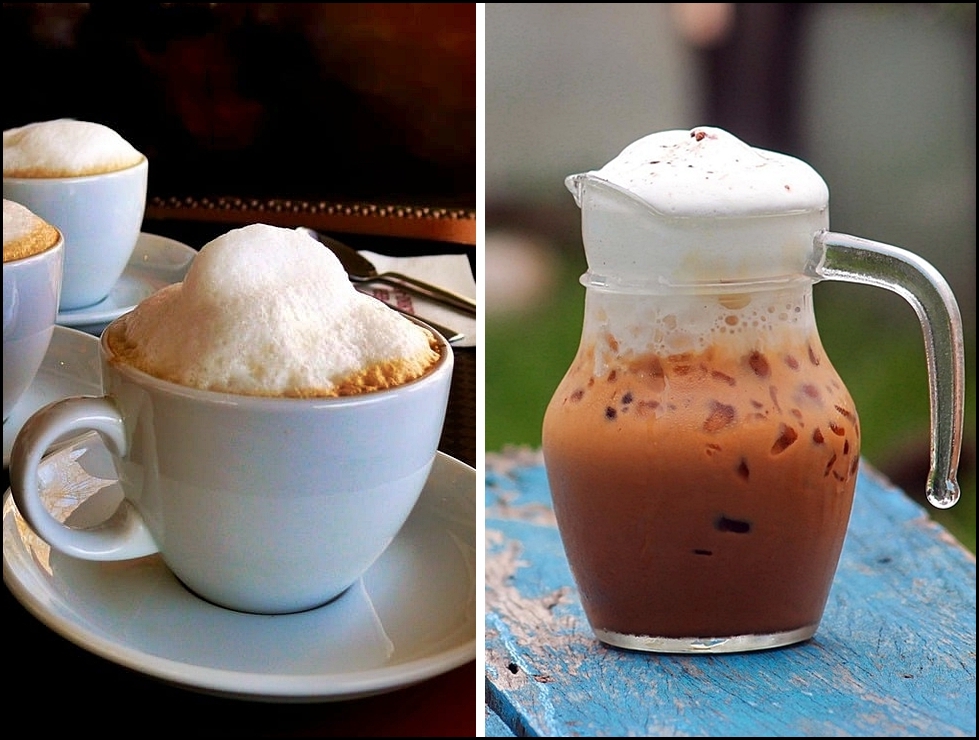
A latte, often called a cafe latte, is a coffee drink made with espresso and steamed milk. It has a thin layer of foamed milk on top that makes the drink feel lighter and adds a little sweetness. The European tradition of adding milk to coffee gave rise to the latte, but the modern version came about in the 20th century with the introduction of the espresso machine.An iced latte, on the other hand, is made with espresso, milk, and ice and is served cold. with Ice. Whether served hot or cold, a standard latte usually has a 1:2 or 1:3 espresso to steamed (or cold) milk ratio. This implies that you will need two or three parts milk for every one part espresso. For a hot latte, the milk can be frothed for an iced latte, it can be poured over ice.

CAPPUCCINO/ICED CAPPUCCINO
The cappuccino is a famous coffee drink known for its powerful espresso flavor along with steamed milk and creamy foam. The drink is made by brewing espresso, followed by adding foam and steaming milk. The drink has a smooth, creamy mouthfeel from the milk and froth, which balances the espresso’s rich, intense flavour. Originating in Italy, the cappuccino got its name from the Capuchin friars and their characteristic brown robes. . Early in the 20th century, the espresso machine was invented, enabling the development of the foamy milk layer and the subsequent development of the contemporary cappuccino as we know it today. Usually consisting of one third espresso, one third steamed milk, and one third foamed milk, cappuccinos have a drier, foamier top Whereas lattes have a higher percentage of steamed milk than espresso, which results in a gentler, creamier flavor and a smaller coating of foam. An iced cappuccino is made by layering espresso and foamed milk in a glass of ice. Compared to an iced latte, it utilizes less milk, but the espresso flavor is greater.
MOCHA/ICED MOCHA
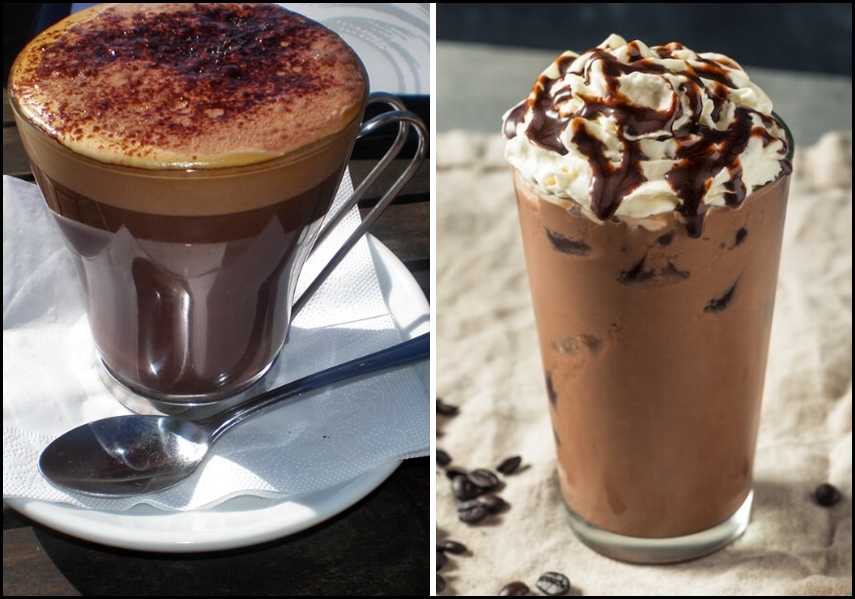
Mocha is a delicious coffee drink that blends the robust flavor of coffee with the richness of chocolate. This sweet and creamy pleasure is immensely popular among a lot of coffee aficionados. Mocha is made by mixing espresso with steamed milk and adding chocolate or cocoa The coffee is a pleasant and cozy beverage with a sweet, creamy flavor and the ideal ratio of coffee to chocolate. Yemen’s rich coffee tradition served as the inspiration for mocha coffee, which has since gained popularity all over the world. One part espresso, one part chocolate, and two to three parts milk is a typical ratio to brew mocha, although you can change it to suit your preferences. An iced mocha is a chilled variation of a cafe mocha, which is made with chocolate, steamed milk, and espresso. Iced mochas can be altered with different flavorings and sweeteners, and they are frequently topped with whipped cream.
MACCHIATO/ICED MACCHIATO
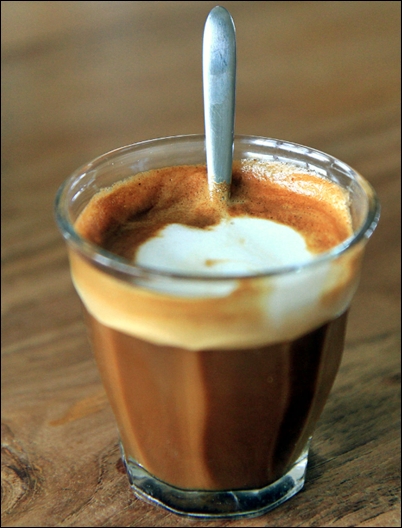
A macchiato is a coffee created with a shot of espresso, a dollop of milk froth, and a little bit of steamed milk. Usually served in a a small 4-ounce (120-milliliter) glass. The drink was originated in Italy and got its name from the Italian word “macchiato” means “marked” or “stained,” referring to the way the espresso is “marked” by the milk foam. some what similar to a cappuccino, but with more foam, less milk And has a stronger flavor. For people who want robust coffee with a touch of smoothness, it’s ideal. The Iced Macchiato is a version of the traditional macchiato, usually made with milk, ice, and espresso. It usually has a caramel topping and a sweetener like vanilla syrup.

FLATWHITE
Flat white is a coffee made with espresso and steaming milk. It doesn’t feature a cappuccino’s thick layer of foam, and often has a higher ratio of espresso to milk than a latte. The drink usually is prepared with Three ounces (90 milliliters) of espresso and four ounces (120 milliliters) of steamed milk, with a thin layer of milk foam on top. Usually, the milk foam is poured in a circular motion over the milk and espresso, forming a “flat” surface on top of the beverage. The drink is either originated in Australia or New Zealand as both countries are claiming its invention. In some cafés, especially in Starbucks ristretto is used in place of espresso in drinks like the flat white to highlight sweetness and flavour clarity while minimising bitterness. with a dot instead of the usual latte art.

CORTADO
A cortado is a coffee originated from Spain made with a shot of espresso, a small quantity of boiled milk, In equal quantities and a thin layer of milk foam. typically, a small 4-ounce (120-milliliter) glass is used to serve it. “Cortado” means “cut” in Spanish, referring to the way the milk “cuts” to highlight the term “dilute” the espresso’s intensity. A cortado is distinguished by its silky, creamy texture and well-balanced, pleasant flavor.
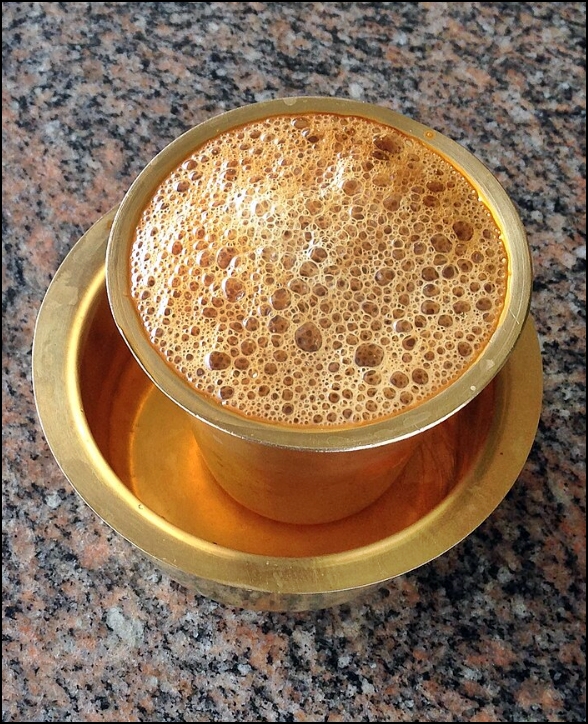
INDIAN FILTER COFFEE
Indian filter coffee is made by combining hot milk and sugar with the infusion made by percolating [Brewing method – Perlocation] finely ground coffee powder with chicory in a typical Indian filter usually made of brass or stainless steal. The Indian term for it is filter kaapi, and it has been described as “hot, strong, sweet, and topped with bubbly froth. During a visit to Mecca, Indian Sufi Baba Budan is said to have found coffee. He planted the seven raw coffee beans he had smuggled back to India in the Chikmagalur highlands of modern-day Karnataka. The hills were subsequently dubbed Baba Budangiri (‘Baba Budan Hills’). And because of the ideal circumstances that allowed the coffee plants to flourish there.
PERCOLATION BREWING – The process of percolation coffee brewing involves repeatedly passing hot water through coffee grinds to extract soluble chemicals and produce a brew. This method, sometimes referred to as drip brewing, uses gravity to let water pass through the coffee bed, usually in a controlled manner
So, as we come to the end of our journey into the amazing world of coffee, be sure to try out different brewing methods, enjoy the distinct flavors of different beans and roasts and let your coffee experiences peak!!! Also tell us how do you like to drink coffee the most? at the comfort and the convenience of your home? or in cafes offering an ambiance that simply cannot be replicated in your kitchen? Let’s put an end to this never-ending debate between indulgence at cafes and home brewed coffee. Tell us what you think in the comments and dont forget to check back for our next post.