
Global cuisine is growing more and more popular, and kitchens across the world are becoming a melting pot of flavors. From the comfort of our homes to restaurants, this blog explores the exciting trend of embracing diverse cuisines and digs into the causes of this gastronomic shift. Prepare to learn how our culinary horizons are being expanded and our palates molded by travel, media, and social media
The term “Global cuisine” refers to the diverse culinary traditions and practices that have spread worldwide, encompassing a wide range of flavors, ingredients, and cooking techniques. It reflects the interconnectedness of cultures through food, showcasing both regional identities and global influences. Globalization has facilitated the spread of several cuisines, leading to fusion restaurants and the popularity of dishes from different cultures. In the past, culinary customs were mostly limited to certain geographic areas. People made dishes using local ingredients and methods of cooking, and they ate what grew in their area. But as a result of the world’s growing connectivity Global cuisine saw an immense rise in popularity. The culinary landscape of global cuisine is vast and varied, offering countless chances to broaden your palate and discover new flavors. A local, regional, or national cuisine needs to become widely consumed and spread internationally in order to qualify as a global cuisine. The 20th century saw tremendous advancements and improvements in the production, storage, transportation, and preservation of food, and many countries, cities, and regions now have access to both their traditional cuisines and a wide variety of international cuisines.
Global cuisine is popular in today’s culinary landscape primarily due to factors like growing travel, the reach of social media, and customer appetites for novel and bold flavors. Travel and online resources expose people to a wider variety of culinary traditions, which increases their desire to experience new and genuine foods. Global cuisine has become increasingly popular due to this and a widespread yearning for new experiences and strong flavors.
SOME MAJOR GLOBAL CUISINES ARE
Chinese: Renowned for its wide range of regional cuisines, like as Sichuan, Hunan, and Cantonese.
French: Well-known for its sophisticated methods and traditional flavors including soufflés, macarons, and croissants.
Italian: A highly popular cuisine all over the world features dishes like pasta, pizza, and regional specialties like risotto and osso buco.
Indian: another widely popular which is known for the use of spices, curries, and tandoori dishes.
Japanese: Includes sushi, ramen, tempura, and various regional dishes.
Mexican: Famous for tacos, enchiladas, guacamole, and other flavorful dishes.
Thai: Known for its use of aromatic herbs, spices, and vibrant flavors in dishes like Pad Thai and green curry
SOME WELL-KNOWN GLOBAL CUISINE DISHES
Sushi burritos
These Japanese-Mexican fusion dishes, called sushi burritos or sushirritos, are made with typical sushi ingredients including rice, salmon, and veggies and are wrapped in a big sheet of nori like a burrito. Fusion cuisine is on the rise, and this well-known meal is a prime illustration of how culinary traditions may be combined to produce novel and intriguing flavors.

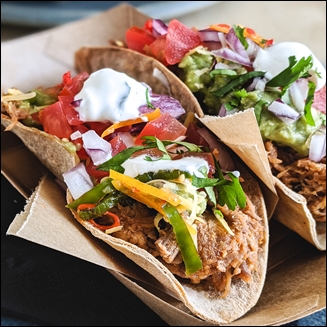
Korean tacos
Popular in many American and Canadian cities, Korean tacos are a Korean-Mexican fusion food. Korean tacos, which are typically served as street cuisine in Los Angeles, are made with small classic Mexican corn tortillas and Korean-style ingredients like kimchi and bulgogi.
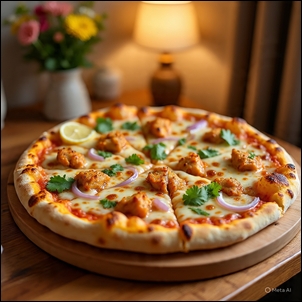
Butter chicken pizza
In this fusion meal, the flavors of Indian butter chicken are combined with the shape of a pizza to create butter chicken pizza. It usually consists of a pizza crust with chunks of cooked and marinated chicken, mozzarella cheese, and the creamy, tomato-based butter chicken sauce on top. You can also add extra toppings like cilantro, onions, and other spices with an Indian flair.
Fusion in global cuisine refers to the intentional combining of culinary ingredients from other cultures to produce new dishes, whereas appropriation is the disrespectful or unrecognized adoption of cultural characteristics, including food, frequently by a dominant culture from a minority one. While appropriation can destroy or distort the native culture, fusion seeks to creatively mix cultures. In general, fusion is meant to be a considerate and imaginative investigation of culinary possibilities, frequently exhibiting diversity and cross-cultural interaction. often entails respecting the origins of the combined culinary traditions, innovating with ingredients, and striking a balance between flavors. Whereas Appropriation may weaken or distort the customs of a culture. Apart from being insulting, it often lacks the respectful engagement and understanding that characterizes fusion cuisine.