
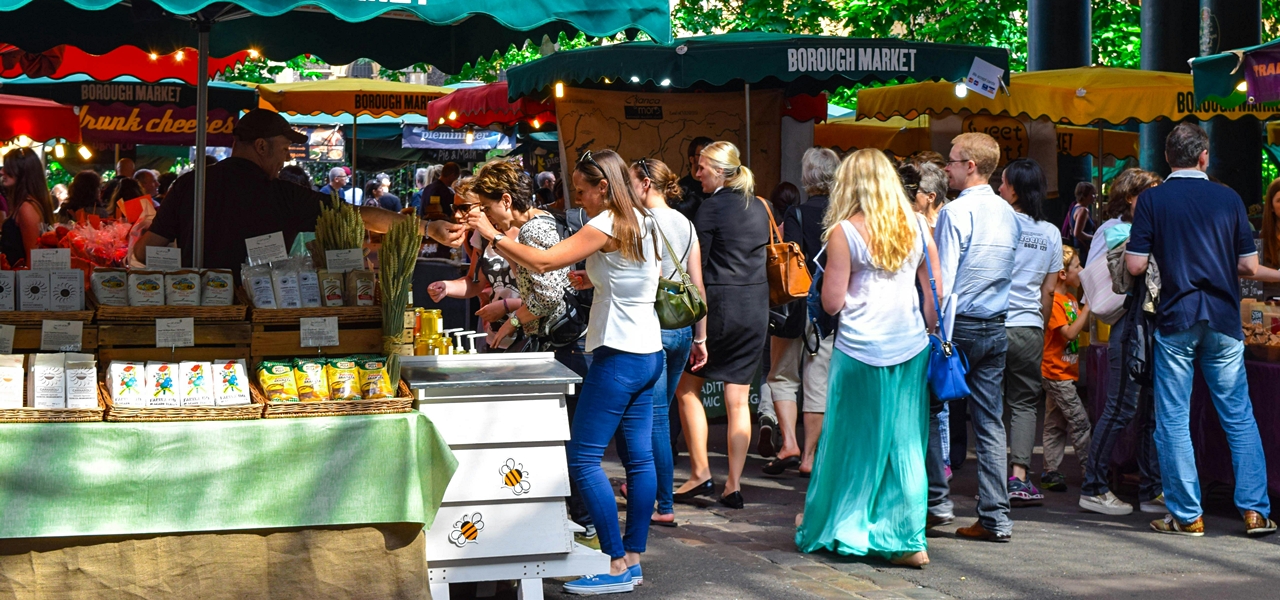
Street food is much more than simply a quick snack; it’s a plate of culture. Every street corner’s flavors, from delicious pastries in Europe to searing skewers in Asia, have their own stories. These foods are frequently the focal point of a city, representing regional customs,culture,social events, and the inventiveness of everyday cooks. As we already stated street food offers a way to experience a place’s character through its flavors. From hot, smoky kebabs sizzling on a grill in the Middle East to flavorful, crispy tacos in Mexico or steamy bowls of noodles offered in bustling Asian night markets, each nation has its own unique street food treasures. Exploring street food around the world is like taking a journey where every stop adds a new flavor to your adventure. This blog will take you on a delectable cross-continental adventure as we examine famous street delicacies that have won people over (and their palates) all around the world. Its authenticity—recipes passed down through the generations, carefully cooked and served with a personal touch—is just as appealing as its price and ease of use, more than a cuisine; it’s an experience that embodies a place’s soul and the openness of its people.
To fully appreciate the variety of street food, let’s travel throughout the globe, list some major street foods and observe how every region contributes distinctive flavors to the streets.
Asia [South And East Asia]
There’s good reason why Asia is frequently referred to be the “flavor capital of street food. There is food everywhere, from the bright streets of Tokyo to the congested lanes of Delhi and the bustling night markets of Bangkok, and it is meant to be shared, enjoyed, and celebrated. Strong spices, fresh ingredients, and speedy cooking methods that elevate basic recipes into mouthwatering meals are the region’s hallmarks. A plate of fiery chaat in India, a steaming bowl of ramen in Japan, or skewers of satay in Indonesia—all served hot and ready to eat on the go—are examples of Asian street food that represents the richness of its traditions and diversity of its people.
Let’s explore some of the Major Asian street foods and the respective country of origin
India
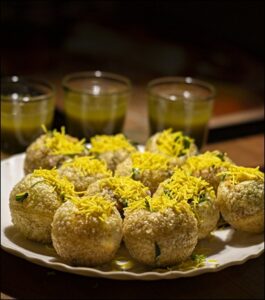
Pani-Puri
Pani puri, also known as Golgappa, is a common street food in India. A crispy hollow puri (a spherical ball of deep-fried dough) packed with a blend of spices, potatoes, chickpeas, onions, and flavoured water(pani) makes up this dish. Just before eating, the puri is dipped into flavoured water, which gives a burst of flavour to the dish.
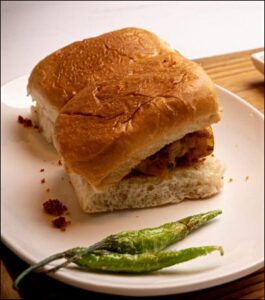
Vada-paav
Vada Pav are soft, spicy dinner rolls or fluffy buns, also known as pav, that are filled with Batata Vada, a fried batter-coated potato dumpling fritter, and topped with both sweet and spicy chutneys. It is a common vegan street food snack in Mumbai and the rest of Western India’s Maharashtra state. This is a hearty, delicious, flavorful dish with a variety of textures!
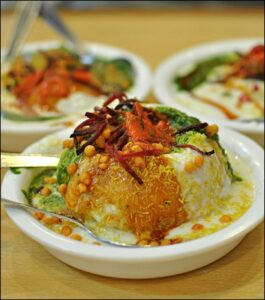
Chaat
The term “Chaat” basically describes a variety of savory snacks and morsels that you can pick up and consume at the side of the road. distinguished by a variety of fried ingredients, different toppings, and flavors that can be sweet, spicy, or sour. but is distinguished by its strong flavors and street-food aesthetic. The word itself means “to lick” or “to taste” and is derived from the Hindi word cāṭ [चाट].
Dosa
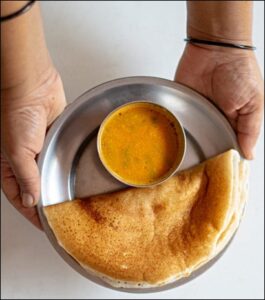
Dosa is a popular South Indian dish that has gained immense popularity across India and around the world. It is a thin, crispy, and savoury pancake made from a fermented batter of rice and lentils. The batter is left to ferment overnight, which gives it a slightly sour taste and a fluffy texture. Dosa can be enjoyed with a variety of fillings and accompaniments, such as potato masala, chutney, and sambar. It is a versatile dish that can be eaten for breakfast, lunch, or dinner and is loved by people of all ages. Dosa is not only delicious but also nutritious, as it is low in calories, gluten-free, and high in protein and fiber.
Iddli
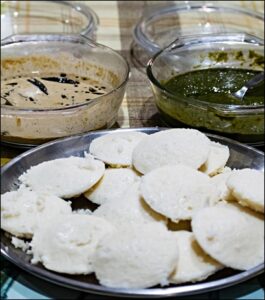
Idli a traditional, savory Indian cake also a highly popular breakfast food in many South Indian homes. It is made from the batter, which is made by steaming rice and fermented lentils. Idlis are frequently served hot and eaten by themselves, dipped in chutneys or sambar,
Japan
Takoyaki
An immensely popular Japanese street food originated in Osaka in the 1930’s. The “tako” (蛸) in takoyaki meaning octopus and yaki (焼) meaning baked. It’s a ball shaped snack made of wheat based batter, and can contain various different fillings and toppings. As the name suggests the main filling is octopus! The rest of the fillings usually include tempura leftovers, pickled ginger and green onion. the Takoyaki is topped with bonito flakes, dried laver, Japanese mayonnaise, and takoyaki sauce. There are, however, a few distinct varieties, shrimp or other seafood, for instance!

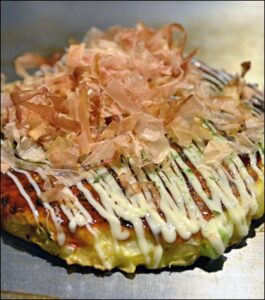
Okonomiyaki
Thailand
Pad Thai
A legendary Thai street food that can be prepared with a variety of ingredients. The ideal way to make this dish is to use rice noodles, stir-fry them with eggs and tofu, season them with fish sauce and tamarind sauce, then garnish them with sliced scallions, limes, ground peanuts, and fresh bean sprouts. Name of the dish is actually derived from the word phad Thai (Thai: ผัดไท, “fried Thai style”), a translation of the term, phat Thai originally referring to the stir-frying technique and not the dish itself.

Mango Sticky Rice
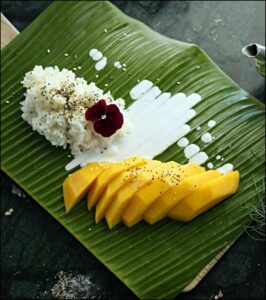
A common Thai dessert, which is made using sticky rice, fresh mango, and coconut milk. Fresh mango slices are served alongside the sticky rice, which has been cooked in a concoction of coconut milk, sugar, and salt. Typically, the dish is served with a side of sweet coconut cream and topped with toasted sesame seeds. Although it can be eaten cold, it is typically served warm. The dish is well-known for being creamy and sweet. In Thai the dish is called khao neow mamuang (ข้าวเหนียวมะม่วง), khao neow (ข้าวเหนียว) means glutinous sticky rice, while mamuang (มะม่วง) means mango in Thai.
China
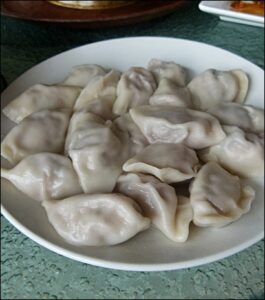
Jiaozi
A popular varitety of Dumplings from China, which is simply referred to as “dumplings” in English. A frequent year-round meal, especially during Chinese New Year, they are a staple in China and are especially popular in the north. The filling of jiaozi is covered in a thin layer of dough, sealed, and cooked in a variety of ways, like boiling, steaming, or pan-frying.
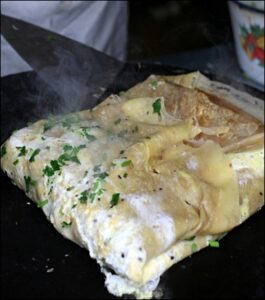
Jianbing
A popular street food breakfast in China similar to crepes. It is a savoury pancake-style breakfast with Wheat and mung bean base with a filling of egg, coriander, fiery spring onion, pickles, a sweet and spicy layer of sauce, spicy chili sauce. topped with an egg, cilantro and a crispy fried cracker called baocui.
Middle East & North Africa
Some of the most delicious and varied street meals in the world can be found in the Middle East and North Africa, where they have been for centuries due to trade, hospitality, and tradition. Food is more than simply nourishment in this region; it’s a celebration of flavors, aromas, and togetherness.
Turkey
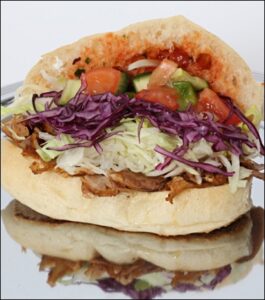
Doner Kebab
A common Turkish Street food made up of seasoned meat—typically lamb, beef, or chicken—that is layered on a vertical rotisserie and slowly cooked. After cooking, the meat is sliced thinly and usually served with fresh salad, different sauces, and flatbread (like pita). The Turkish word “Döner” means “rotating meat,”
Simit
Simit is a traditional Turkish ring-shaped bread typically coated with molasses and encrusted with sesame seeds before baking. It has a crunchy crust and soft crumb with a hole in the middle, Simit is widely consumed across the former Ottoman empire as a street snack with tea or a yogurt drink called ayran.

Egypt
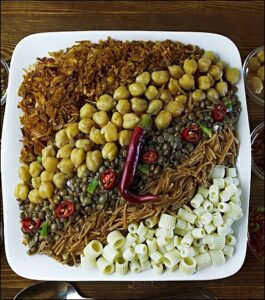
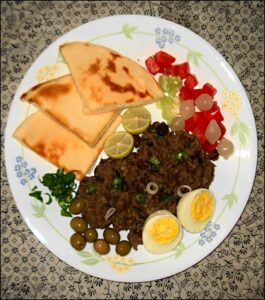
Koshary
A popular Egyptian food and their national dish, is made with rice, macaroni, and lentils and topped with crispy fried onions and spicy tomato sauce.The dish is often served with a side of chickpeas and a tangy vinegar and garlic dressing. Many people find koshary to be a satisfying dinner because of its distinctive combination of flavors and textures. This vegetarian dish is a famous street snack that can be found in many eateries and street shops throughout Egypt.
Ful medames
A stew made with cooked fava beans, is a staple in many North African and Middle Eastern cuisines. It’s a favorite breakfast food, particularly in Egypt. Ful medames is usually served with Olive oil, cumin, parsley, garlic, onion, lemon juice, and other spices or vegetables.
Lebanon
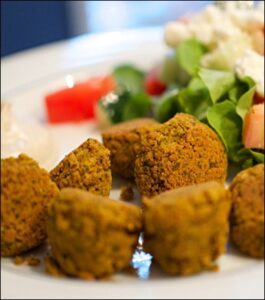
Falafel
A deep-fried ball or patty is prepared from ground fava beans, chickpeas, or a combination of the two. This popular street food, from Lebanon is renowned for its rich flavor and crunchy texture. Falafel is typically eaten with a pita and accompanied by tahini-based sauces, salads, pickled vegetables, and hot sauce.
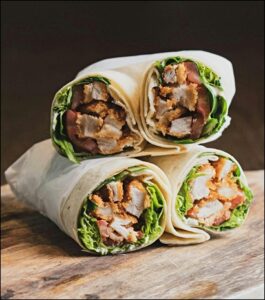
Shawarma
A popular Middle Eastern street food consisting of thinly sliced, marinated meat (traditionally lamb or beef, often chicken or turkey), slow-roasted on a vertical rotisserie, then shaved off and served in pita bread with fresh vegetables, pickles, and a tahini sauce. It’s known for its distinctive flavor from the spices and cooking method, and it is a staple of Lebanese cuisine and a cultural phenomenon in the region.
Morocco
Merguez
(also spelled “merkez”) is a long, thin, spicy sausage from North Africa that is prepared by stuffing lamb casings with either beef or lamb, or a combination of the two. The dish is seasoned with Harissa, paprika, cumin, garlic, and other spices, giving it its distinctive red color and spiciness. Its a commom street food in Morocco and other North African countries.

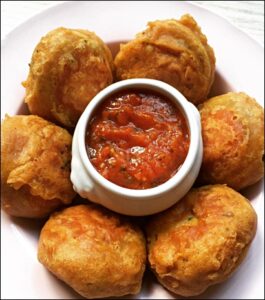
Makouda
Is a well-known street food in Morocco, is made up of spicy mashed potato fritters that are deep-fried until crispy and golden brown after being coated in batter. Herbs like garlic and parsley, as well as spices like paprika, turmeric, and cumin, are used to season these inexpensive and easy snacks. Frequently, they are eaten as part of a bigger meal or in a baguette or bread roll with a fiery sauce like harissa.
Europe
The rich history and distinct cultures of Europe are apparent in the street food culture, which is a colorful blend of classic and modern flavors. European street food provides an authentic glimpse of local life, from crispy churros in Spain and meaty kebabs in London to sizzling bratwursts in Germany and fresh crêpes on the streets of Paris. Tourists and locals alike gather at markets, food trucks, and pop-up kiosks to celebrate not only food but also the social interaction it fosters. The street food scene in Europe is endless and always evolving because it skillfully combines traditional recipes with international influences.
France
Crepe
is a thin pancake or flatbread that originated in France. The word “crepe” comes from the French word meaning “pancake.” Crepes can be either sweet or savory. In France, they are often served with sweet fillings like Nutella, fruits, or sugar, while savory crepes might include ingredients like ham, cheese, or vegetables.The convenience of being folded or rolled and easy to hold makes it an ideal for immediate, on-the-go consumption.

Jambon Beurre
Jambon-beurre is a traditional and French sandwich. made with a fresh baguette, butter, and thinly sliced ham, The name literally means “ham and butter” in French. It is renowned for its simplicity and emphasis on premium ingredients like flavorful ham, rich butter (typically European), and a good baguette. Jambon-beurre is a traditional and French sandwich. made with a fresh baguette, butter, and thinly sliced ham, The name literally means “ham and butter” in French. More than 3 million jambon-beurre sandwiches are sold daily in France, more than nearly any other sandwich type aside from fast-food hamburgers.

Spain
Churros
are a popular pastry In Spain, Portugal, and many countries in Latin America, . It is prepared by piping the daugh through a star-shaped nozzle and deep-fried until the center is soft and the outside is crispy. Churros’ distinctively sweet and aromatic flavor comes from its coating in a mixture of sugar and cinnamon, which is typically served warm. A common treat or snack throughout the day, they are frequently served with a dipping sauce, like chocolate or caramel.

Bocadillo
is a bread roll stuffed In a traditional Spanish sandwich, with floured and fried squid rings. Bocadillo is an integral part of many tapas bars in Madrid the capital of Spain and is highly popular locally. Traditionally the squid is fried till brown after being coated in flour and then stuffed inside a crispy Spanish baguette. In Spanish, “bocadillo” primarily refers to a sandwich, particularly one made with Spanish bread like a baguette.

Italy
Arancini
are a Italian street food originated from Sicily made of risotto that’s rolled into a ball, stuffed with mozzarella cheese ,The balls are then coated in breadcrumbs and gently fried until golden brown and crispy. Arancine” is the correct form of the word and means “little oranges” in Italian.

Cannoli
are another popular italian street food Theese pastries have their origin in Siciliy consisting of a tube-shaped shell of fried pastry dough, filled with a sweet, creamy filling containing ricotta cheese. Their size ranges from 9 to 20 centimetres. In mainland Italy, the food is commonly known as cannolo siciliano.

Germany
Currywurst
is a famous street food delicacy from Germany with sliced pork sausage that has been steamed or fried. It is served with a tangy ketchup sauce and seasoned with curry powder. It was created in 1949 by Herta Heuwer in West Berlin and is a popular Berlin delicacy that is frequently served with bread rolls or french fries on the side.

Kartoffelpuffer
are a popular German potato pancakes, and a common street food that is consumed during festivals, holidays, and occasions such as Christmas . Traditionally eaten with sweet applesauce, these golden-brown, crispy fritters are made with shredded potatoes, onions, egg, and flour. However, they can also be served with savory choices like mayonnaise or sour cream

United Kingdom
Fish And Chips
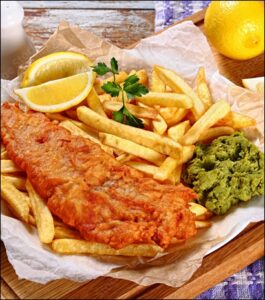
Fish and chips is a traditional British street food that consists of crispy fried potatoes, or “chips,” and a battered, deep-fried white fish fillet. The actual history of the combination is up for question, but it most likely originated in London or the North of England around the middle of the 19th century. Fried fish and fried potatoes were first developed as distinct dishes before being combined.
Pork Pie
Pork pies are a classic Street food in the UK that is typically eaten with mustard or pickles. They are made with seasoned, cold chopped pork and jelly inside a hot water crust pastry. They were first developed as a portable lunch for workers and travelers, and they are especially well-known in Melton Mowbray, Leicestershire, where pies with that name have a protected designation of origin.

The Americas
The Americas’ street food, which blends regional traditions with global flavors, is an exciting illustration of the continent’s cultural variety. Every region’s street food, from the savory empanadas of Argentina, the tasty arepas of Venezuela, the smokey tacos and elotes of Mexico, and the robust hot dogs and food trucks of the United States, tells a narrative. Due to their affordability, portability, and strong ties to regional identity, these dishes are more than just quick meals; they are cultural experiences that encapsulate the essence of daily living and community across the Americas.
Mexico
Taco
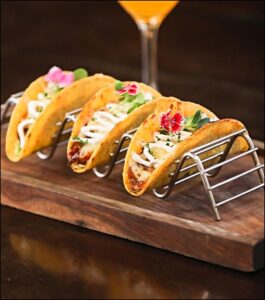
A taco is a globally popular Mexican Dish that is consumed by hand and consists of a wheat or corn tortilla folded over a filling of cheese, meat, veggies, or other ingredients. They have gained popularity all over the world and are a flexible type of street food with a large range of potential fillings and toppings. Mexican tacos are internationally recognized and have become very popular in many other countries besides Mexico. There are many theories when it comes to the name Taco and a popular one suggests that the term “taco” comes from Nahuatl, an indigenous language spoken by the Aztecs and other Mesoamerican people.
Elote
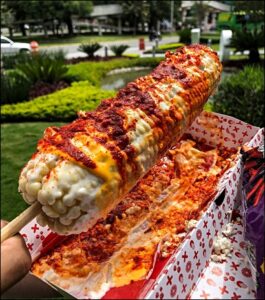
Elote is also called Mexican sweet corn is a Mexican street food can be called as a Mexican styled corn-on-the-cob dish. The corn ears are first grilled, then covered with crema or mayo, and finally garnished with cotija [white Mexican cheese made from cow’s milk], lime, and chilly. Elote, which is frequently served by street vendors in Mexico, is a delicious and very popular across the country.
USA
Hot Dog
Hot dog is a small grilled or steamed or boiled sausage that is mild in flavor and usually served in the slit of a partially sliced bun [hot dog bun]. hot dog is typically a “frankfurter” the term refers to the sausage itself, which is a parboiled and smoked sausage made from pork and/or beef meet. The origin of Hot dog is disputed but probable German origin, that has become internationally popular, especially in the United States. The name “hot dog” is most likely derived from the resemblance of the German sausages to dachshunds, The name is also thought to carry a potential slang meaning of dog meat, though this is less widely accepted.

pretzels
A pretzel is a kind of baked pastry that is typically made into a knot from dough. With the ends of a long strip of dough connected and then twisted back upon itself in a particular way, the classic pretzel shape is a recognized symmetric structure.Numerous stories exist about the origin of pretzels and their name; the majority claim that European monks invented them and that they have Christian roots.

Arepa
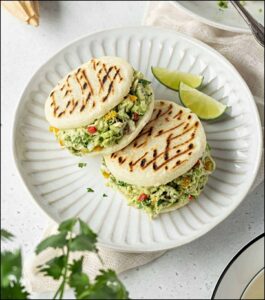
Arepa is a South American street food popular in Venezuela and Colombia, It is a circular, flavorful flatbread prepared from ground cornmeal. It can be baked, grilled, or fried and eaten as a breakfast or as a side dish with meals. It may also be split and stuffed with cheese, meats, avocado, or beans to make a sandwich.
Cachapas
Cachapas are a common street dish in Venezuela, made from a thick batter of freshly ground corn and cooked till crispy,. They occasionally come with fried pork chicharrón and are typically filled with Queso de Mano, a soft cheese that resembles mozzarella. A popular delicacy at markets and roadside vendors, cachapas resemble pancakes but are lumpier because of the fresh maize kernels.

Brazil
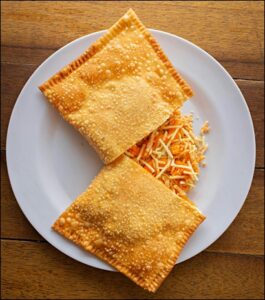
Brazilian Pastel
Brazilian pastel is a deep-fried, half-circle or rectangular pastry. With a thin, crispy crust and a variety of savory or sweet fillings, including ground beef, cheese, chicken, heart of palm, shrimp, or guava with cheese, it is a widely recognized street food in Brazil that is often found at markets and fairs. Similar to a fried spring roll, It is distinguished by its light, crunchy, and blistering texture.
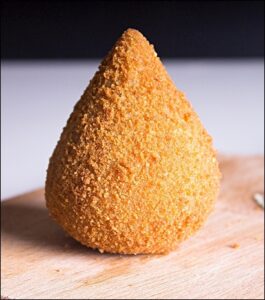
Coxinha
Coxinha is a well-known Brazilian street food teardrop like crispy deep-fried croquette with a creamy, shredded chicken filling that is frequently combined with cheese. A trademark of Brazilian culture and food, the snack, which goes by the name “little thigh,” is a favorite in bakeries, snack bars, and parties.
Argentina
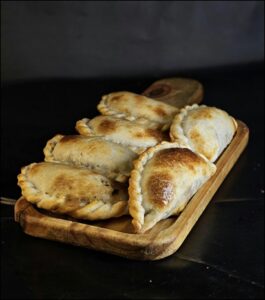
Empanada
Empanada is a popular Latin American street food originated in Spain is a baked pastry shaped like a crescent moon. Once the bread has been made with flour dough or corn flour dough, it’s then stuffed with fillings like beef, chicken, or pork; vegetables such as corn, cheese, and tomatoes; or sweet options like fruit and dulce de leche. They are often served with a dipping sauce, such as chimichurri sauce.
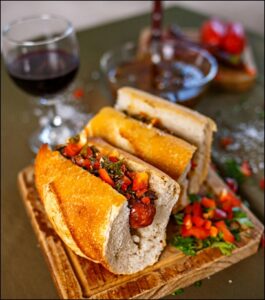
Choripan
Choripan is a popular street food in Argentina, The dish is a split chorizo sausage made of grilled beef and pork served in a crispy bread roll. Choripán is usually topped with Salsa criolla and/or chimichurri sauce. The dish is a popular component of Argentinean culture and cuisine, and can often be found at street carts and public gatherings such as sporting events.
Sub-Saharan Africa
In Africa south of the Sahara desert, street food is a celebration of regional diversity, customs, and social interaction. From South Africa’s spicy bunny chow to West Africas’s smokey suya skewers and puff puffs, to East Africa’s tibs and sambusa, these delicacies unite people in vibrant street corners and busy marketplaces. African street cuisine is more than just a quick snack; it’s a taste of tradition, tenacity, and inventiveness that has been passed down through the years and is loved by both locals and visitors. It is made with robust spices and fresh, local ingredients.
Nigeria
Suya Skewers
Suya skewers, a well-liked street meal in Nigeria and West Africa consists of delicately sliced, marinated meat (usually beef, but also lamb, goat, or chicken) seasoned with a nutty, spicy peanut-based spice blend called yaji and grilled on skewers to create a smoky, charred exterior, the meat is coated in yaji, inserted onto skewers, and then grilled over high heat—often over an open flame. Fresh garnishes like sliced onions, tomatoes, and even cucumber are traditionally served with the dish to provide a refreshing contrast to the spicy meat.

Puff Puff
Puff puff is a popular snack in West Africa. There are different names for it in the region, but Nigerians call it puff puff. it is Made of lightly sweetened fried dough, tastes very similar to doughnuts, but the inside is really fluffy, white in colour and the outside is much crispier in golden brown colour. the dish is served sweet or savory.

South Africa
Bunny Chow
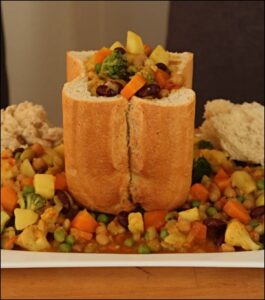
Bunny chow is a popular South African fast-food delicacy It is made by hollowing out a white bread loaf and stuffing it with a hot stew, like Durban mutton curry. It is a street dish that was first consumed by Indian South Africans in Durban. It is typically served with grated carrots as a side dish. The word “chao” (South African slang for food or eating) and “bunny,” which refers to the Indian Baniya population who created the dish.
Boerewors
Boerewors is a common street food In South Africa, made of coiled sausage a thick, spiced sausage that is coiled and grilled over open flames. It can be served with tomato relish and pap (a maize porridge) or on a bun like a hot dog. spices like coriander, nutmeg, cloves, and allspice give the dish its unique savory and spicy flavor.

Ethiopia
Sambusa
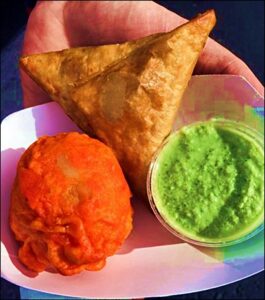
Sambusa is a type of pastry that is made from all-purpose flour, water, oil, or ghee and is a crisp, golden-brown, deep-fried dough wrapper of a savory dumpling that is either triangular or cone in shape. The term is frequently used to refer to samosa pastry popular in India, although it refers especially to the thin, flaky dough that is folded over a tasty filling of cheese, meat, or vegetables that have been seasoned and then fried.
Tibs
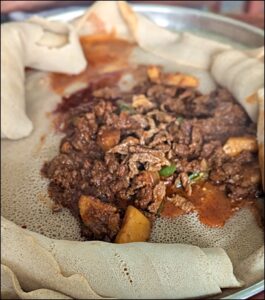
Tibs a popular Ethiopian street food made of strips of meat, usually beef, lamb, or goat, fried or sautéed with onions, garlic, peppers, and seasonings such as niter kibbeh (clarified butter) it can be served With or without vegetables, spicy or mild, and it’s often consumed with injera bread.
Ghana
Wakye
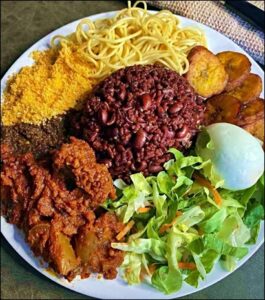
A traditional rice and bean dish in Ghana, waakye is made with black-eyed peas or cow beans and red sorghum leaves (or stalks) to give it a distinctive reddish-brown color. Waakye, which originated with the Hausa people of Northern Ghana, is a breakfast, lunch, or dinner dish that is frequently served with a range of sides, including shito, plantains, spaghetti, gari, and a boiled egg.
Jollof Rice
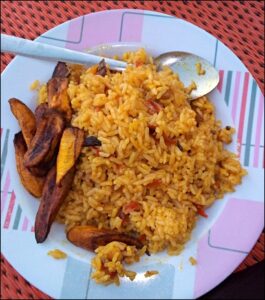
Jollof rice is an immensely popular dish in West Africa it is prepared with tomatoes, chili peppers, onions, and spices cooked in one pot.Especially in Ghana. The dish originated from the Wolof region of Senegal and goes by the name “ceebu jën there “. There are currently friendly rivalry going on over the precise origins of this widely recognized in West African delicacy.
Across the world, street food is more than just a quick meal on the run; it is the heartbeat of communities, towns, and civilizations. Every food, from the delicious tacos of Mexico City to the aromatic spice markets of India, from the crispy churros in Madrid to the steaming dumplings in Beijing, represents centuries of innovation, tradition, and adaptation. Because it is honest, accessible, and incredibly human, Street food thrives because it combines flavor to represent past of a community, culture, and way of life.The ability of street food to unify people is what connects it everywhere. These meals, whether enjoyed while wandering through a night market or gathered around a bustling food cart, unite tourists and locals together in joyful and enlightening times. Street food, which may be raw but faultless in its honesty, is frequently the most authentic way to experience a country’s way of life. While maintaining its roots, street food continues to evolve as the world grows ever more interconnected, blending cultures and inspiring creative ideas. It serves as a reminder that food transcends national boundaries and linguistic barriers and is more than just a means of subsistence. Exploring street food around the world is ultimately about setting out on a journey without constraints or barriers, where each taste is an adventure, each flavor tells a tale, and each street corner offers a window into a locale’s identity.
“Street food is more than merely food; it’s the taste of tradition, the flavor of culture, and the essence of a place and its people, all presented on a plate.”