
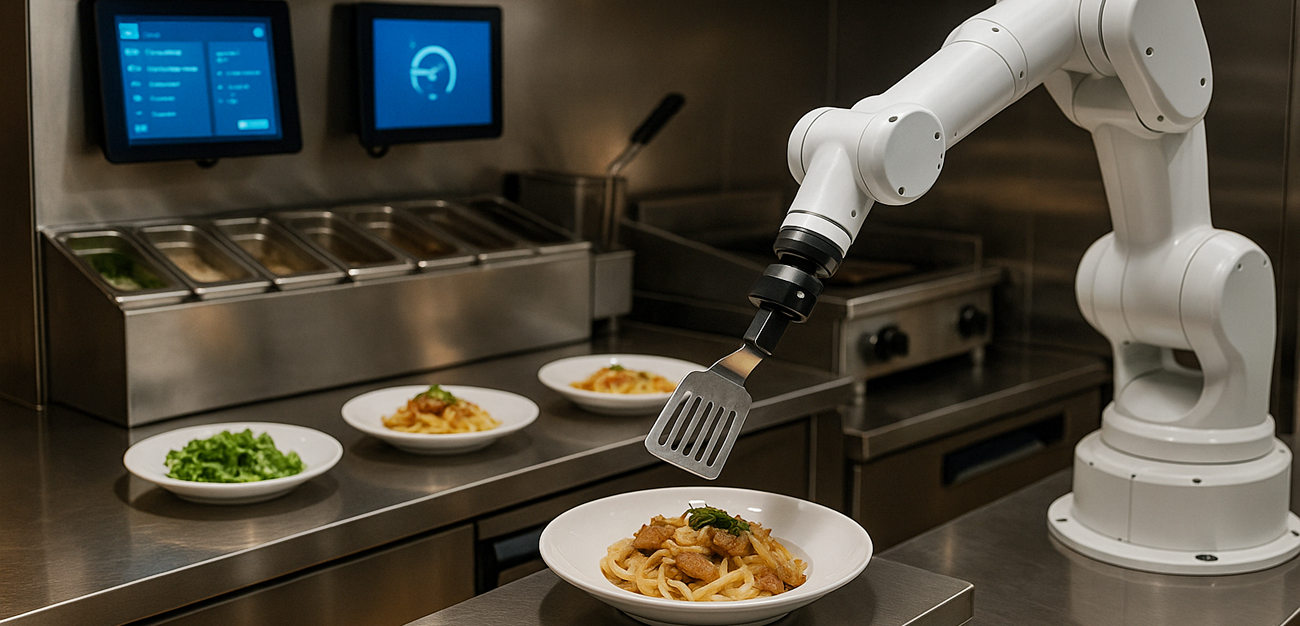
And folks, yes, this blog is all about AI and automation. In fact, who isn’t talking about AI these days, right? But AI and hospitality? No, we are not claiming AI is replacing Hospitality, but it has already started to redefine dining. Not sure if you read about AI-powered drive-thrus in California and Robots serving meals in Tokyo. Wow, sounds crazy, right? but it has become part of people’s lives there. the future of dining is unfolding faster than we can imagine. What once seemed like science fiction is now becoming part of everyday restaurant life, from helping owners to improve the customer experience to helping chefs to design a menu, to even training employees to better serve their customers. AI has begun redefining the entire restaurant experience, blending human creativity with machine intelligence to deliver a new era of dining out.
The recent rise of AI in Restaurants
As we earlier mentioned, AI has started to redefine restaurants not left, right and centre, across the globe, but the process is well and truly on course. Here’s how it’s making an impact, in simple terms.
Personalization:
AI helps restaurants understand their customers better. Imagine you are opening a digital menu or an app, and it doesn’t just show random dishes, it remembers what you liked before and ordered, the time of day you usually order, or even the weather. just give you an example, Starbucks uses AI in its app to recommend drinks based on your past orders. Ever wondered why Starbucks was spot on suggesting a hot latte on a rainy morning or a cold Frappuccino on a sunny afternoon? This makes every order feel personal and relevant to the customer.
Inventory Forecasting
When a restaurant runs out of a major ingredient essential to prepare a popular item on the menu, the item is removed and not available on the menu, and that ruins your experience as a customer, right? AI prevents that by predicting demand. It analyses data like previous sales records, weekends vs weekdays, holidays, or even weather patterns locally. So during monsoon, Coffee and tea sales usually spike, the system automatically alerts the team to stock up on those items. This helps reduce waste and ensures the kitchen is always ready to ensure flawless service to diners.
Customer Insights
With social media and the internet so accessible, restaurants receive a lot of feedback in the form of app reviews, social media comments, YouTube videos and of course, Instagram reels. and AI can read through all that faster than any human. It identifies patterns, such as common complaints about portion size or praise for a new dish. Chefs and managers can then use this data to tweak menus, improve recipes, or train staff more effectively. Essentially, AI helps restaurants listen to their customers more clearly.
Chatbots & Reservations
Several restaurants now use AI-powered chatbots on their websites, mobile applications or WhatsApp to handle reservations effectively, answer questions, and even take orders. This ensures customers to book a table or order takeout anytime without spending much time, as they no longer need to wait for someone to pick up the phone to address their needs. It saves time for both the restaurant and the guest. Domino’s recently has streamlined AI-driven voice ordering using their AI assistant DOM, where you can place an order just by speaking naturally, and the system understands you like a real person would. Meanwhile, McDonald’s in the U.S. has taken things a step further; their drive-thru restaurants use AI to predict what you might order based on the time of day, the location, and even your car type. For instance, during morning rush hour, the system automatically highlights breakfast combos for faster decision-making for customers.
Simply put, AI in restaurants isn’t about replacing people; it’s about helping them work smarter, serve faster, and create dining experiences that feel more human than ever.
When Automation joins the Kitchen and service
It must be noted that AI is mainly into handling the restaurant operations by providing informed suggestions to improve the business and operations; on the other hand, automation is taking care of the hands, yes, literally. From smart cooking appliances to robot waiters, physical automation is transforming how food is prepared, served, and enjoyed.
Smart Kitchens
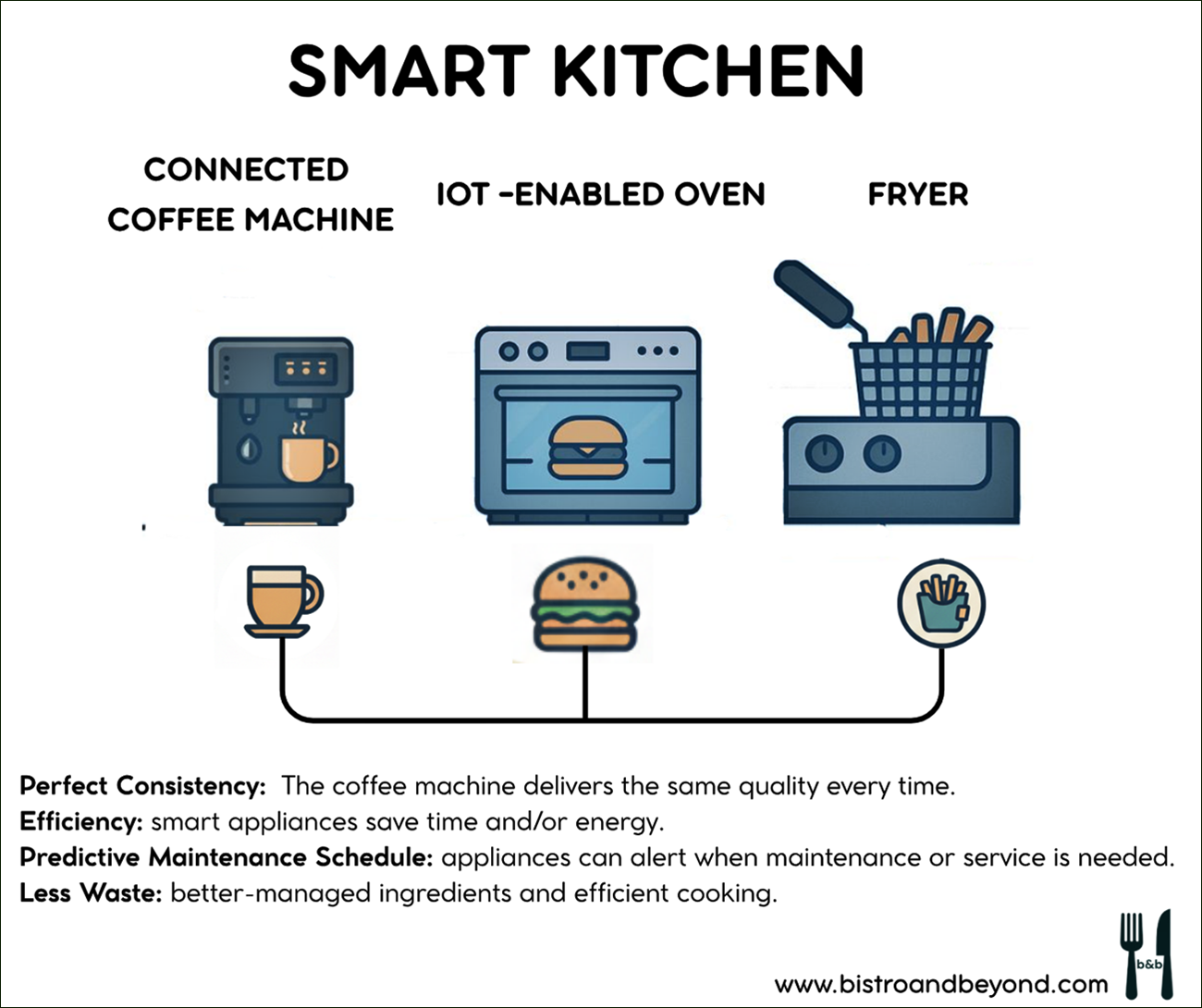
In this day and age, kitchens are no longer just about skilled chefs, though make no mistake, chefs are always the captains of the ship, and machines work alongside them to help them sail further. Automated equipment, such as Internet of Things (IoT)- enabled ovens, fryers, and coffee machines, is designed to maintain perfect consistency in kitchens every single time. These devices are capable of automatically adjusting temperature, cooking time, and portion size, ensuring that a burger cooked at 3 p.m. tastes exactly like the one made at 9 p.m. For instance, connected coffee machines at premium cafés can track water quality, bean freshness, and even maintenance schedules, minimising human error. The result is a kitchen that’s efficient, precise, and less wasteful.
Robot Chefs and Servers
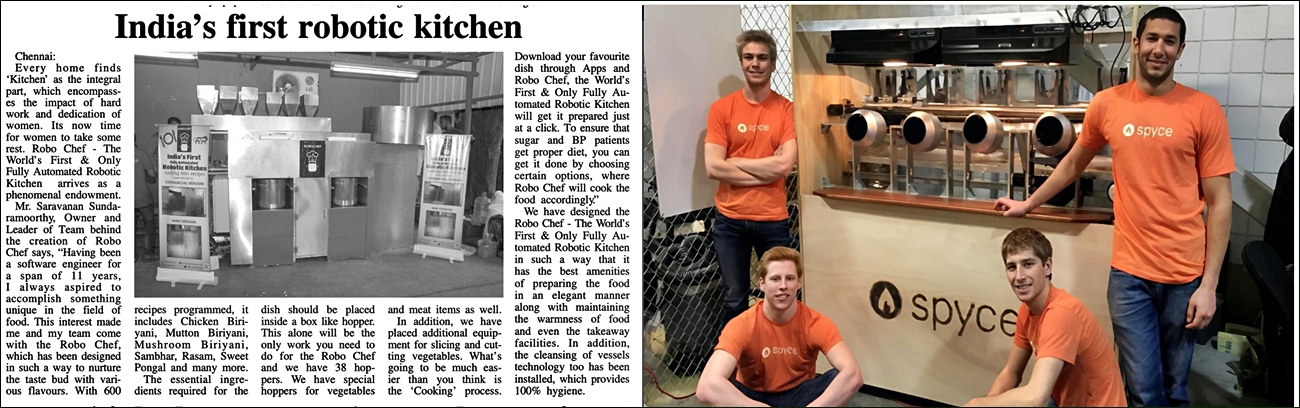
No, you are not reading any fantasy Robot Chefs and Servers, they’re already cooking and serving in many restaurants around the world. You might’ve read about RoboChef, a Chennai-based startup that has gained attention for its fully automated kitchen where robots prepare a wide range of dishes without human help. Similarly, in Boston, USA, a restaurant named “Spyce” was in the news for featuring robotic woks that cook meals to order in a few minutes, ensuring speed and accuracy without compromising on hygiene. Across Asia and the Middle East, robot servers glide between tables serving dishes with a digitised smile. In cities like Tokyo and Dubai, customers are greeted by humanoid waiters that can take orders, serve food, and even engage in small talk, adding a futuristic twist to your dining experience.
Self-Ordering Kiosks and Contactless Service
During the Pandemic, we all witnessed how difficult it was for restaurants to survive. Many outlets had to shut down simply because they could not adapt and thrive. The term “Contactless dining” became popular than ever during the days of social distancing, and now it’s the new normal. Self-ordering kiosks, once seen as a novelty, have become a standard feature in quick-service restaurants worldwide. Back in 2017, McDonald’s, with their experience of the future’ (EOTF) stores, introduced features like self-ordering kiosks, much before the pandemic, where Customers can browse menus, customise their meals, and pay without waiting for a cashier. parallelly, mobile ordering and contactless payment options have expanded into casual and fine-dining spaces as well. This not only speeds up service but also gives customers more control over their experience.
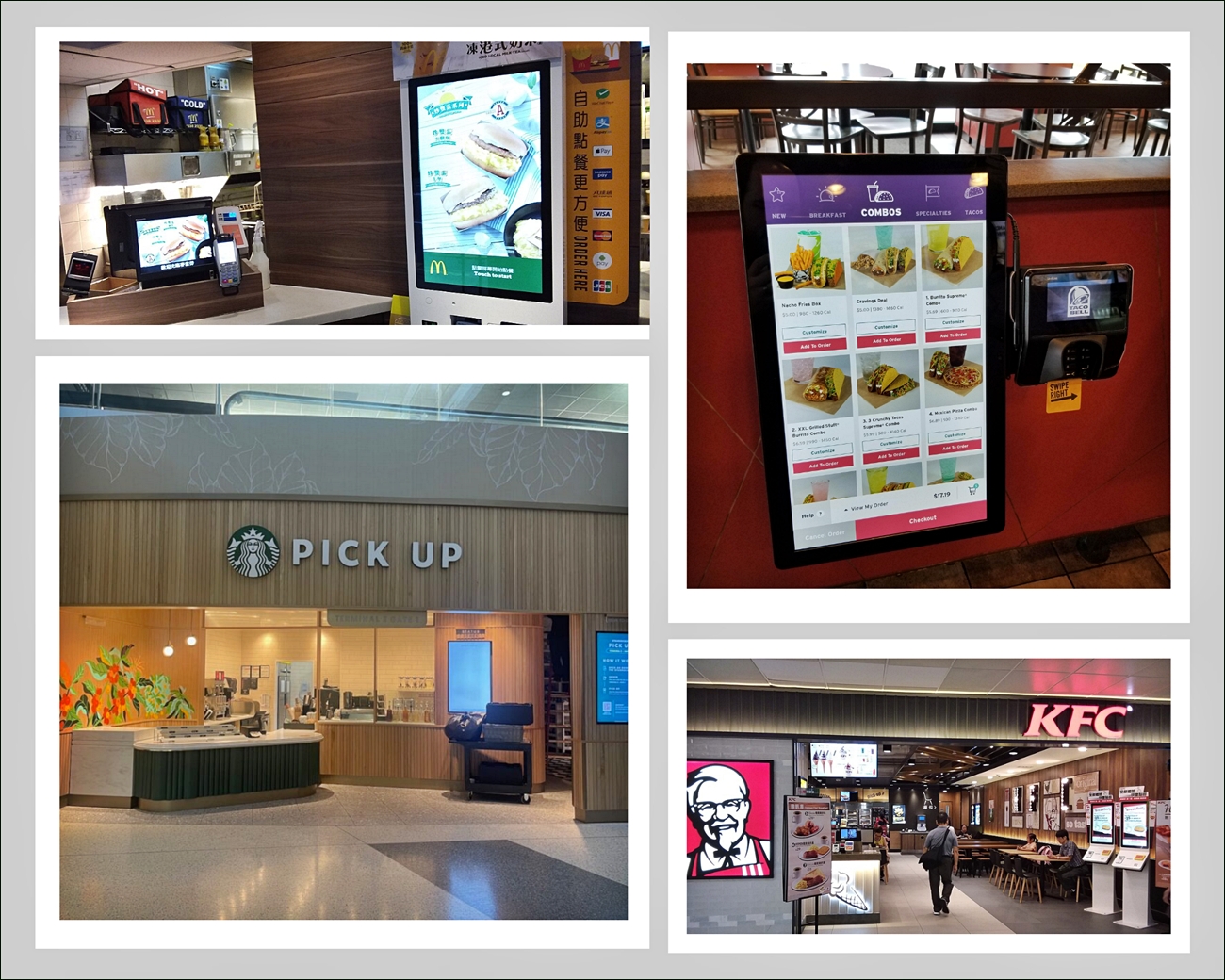
It goes without saying that automation has started redefining both sides of the dining experience, building smarter kitchens and delivering smoother service. It’s not just about replacing human effort; it’s about amplifying it, allowing chefs and employees to focus more on creativity, hospitality, and what truly matters, creating memorable dining moments.
The Business Impact – Efficiency And Experience
We are living in an era where Artificial Intelligence and automation have a direct impact on human lives. The same happens with the restaurant industry. In a business where every minute and margin counts, it’s no wonder technology has become the secret ingredient that keeps modern kitchens running with utmost precision and consistency.
Efficiency at Every Level
AI-driven systems are capable of analysing sales data, predicting demand, and optimising staffing. thus helping owners to make informed decisions when it comes to reducing expenses and boosting profitability
Large-scale sales data analysis, demand forecasting, and Optimised staffing are all possible with AI-driven solutions. hence assisting owners in making wise choices on cutting costs and increasing profitability.
Restaurant owners are benefiting from AI in important areas such as
- Labour cost- Restaurants can avoid overstaffing and understaffing during non-peak and peak hours by using AI-enabled scheduling applications.
- Forecasting – By anticipating demand, automated cooking stations and digital inventory systems minimise errors and assist restaurants in optimising orders to drastically cut down on waste.
- Speed and consistency – Using automated equipment helps guarantee that restaurants always provide the same level of quality.
As ambassadors of Hospitality, what we always believed is that smoother operations, fewer losses, and happier customers can increase efficiency for sure, though efficiency alone doesn’t create Profitability and loyalty — experience does. A restaurant is not a factory that manufactures your meal They are places that witness emotion, connection, and memory. A robot can plate a dish perfectly, but can it read a guest’s expression or sense that they might want an extra spoon? That’s where the human element remains irreplaceable. In our opinion, AI and automation should be amplifying the human touch, not erasing it. When smart machines take over repetitive, time-consuming tasks, chefs and servers have more freedom to focus on what they do best: creating experiences that make people feel welcome. It goes without saying that technology may run the kitchen, but only people can run the Hospitality. In this new era, no restaurant can thrive by fully replacing people with machines. Those who effectively combine human creativity with machine precision will prosper for sure.