
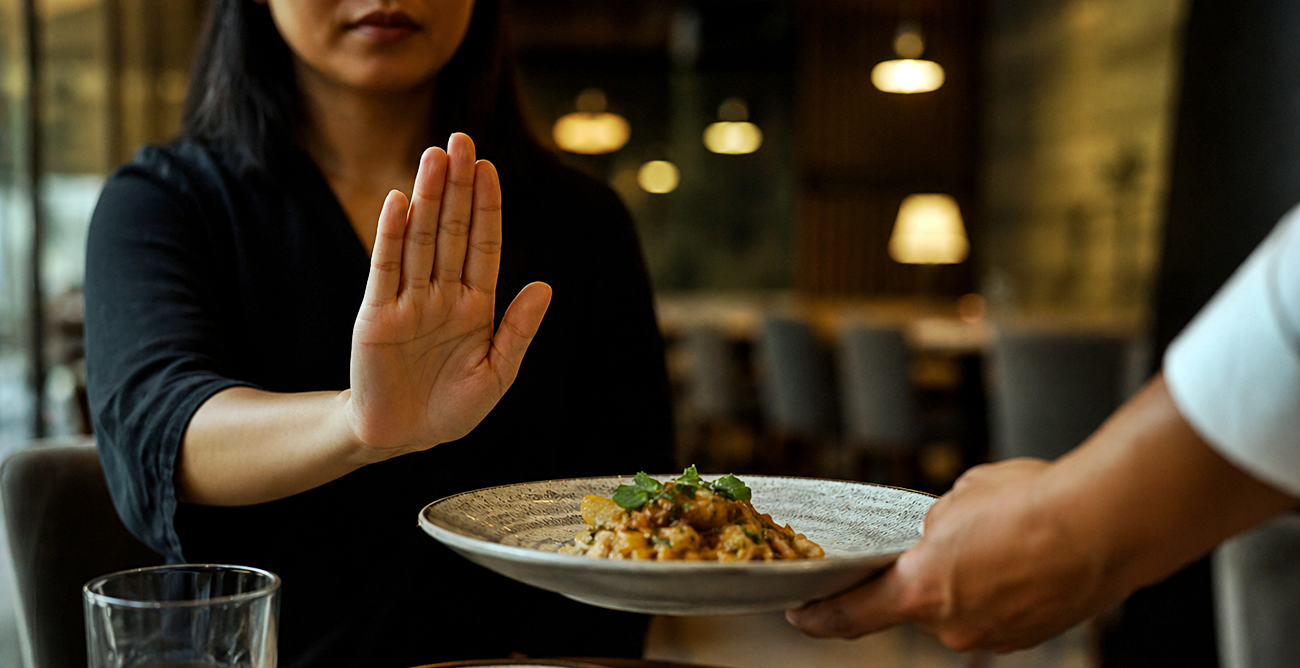
“Maybe it was just a bad day. You should give it another chance.” Folks, we’ve all heard this, right? It sounds. Fair. After all, every restaurant can have a bad day, like a delayed order, a busy kitchen, a miscommunicated order; these things happen. We’ve all heard this right, but not everyone sees it that way. For some of us, one bad experience is enough. No second chances. No “let’s try again next time.” Just a quiet, firm decision: we’re not coming back. At first glance, this might seem harsh and Unforgiving, but we make no mistake its more about being practical than critical. The way we choose restaurants has changed, just like our level of tolerance or disappointment, and this is not about perfection. It’s more about restaurants to realise why, for many customers, a bad experience is all it takes to stop dining at your place.
The Shift: From Limited Choice to Endless Options
There was a time when you had very few restaurants in your area, and that has changed for good. Even if you live in a small town, there are multiple restaurants with new ones opening constantly, and your food can even be delivered to your doorstep and reviewed and rated instantly. The logic is simple: “When choices are limited, customers adapt. When choices are abundant, customers move on” There’s nothing personal in it; customers are being practical. If one place fails to meet expectations, there are ten others ready to replace it.
The Price of a bad experience
People don’t see dining out as just a transaction. It’s an experience—and like any experience, it comes with a cost. Not just money is involved here, but
- Time
- Effort
- Anticipation
- Emotional Investment
You might plan your day around it, meeting your friends or celebrating a special occasion, to find a nice meal after a long day at work. So when the experience falls short, the disappointment goes beyond the plate. cold and delayed food, inattentive employee or poor hygiene. Individually, these might seem like small issues. But together, they create a sense of something deeper.
A wasted experience.
And people rarely choose to repeat something that felt like a waste.
First Impressions Are No Longer Temporary
In many industries, first impressions can be corrected over time. A brand can rebuild trust over time, focusing on its service standards, but a restaurant doesn’t always get that luxury. For most customers, the first visit is more of an evaluation than an introduction; one bad experience can answer questions like
- Can I trust this place?
- Is it worth my money?
- Do I feel comfortable coming back here?
If the answer is uncertain or worse, negative, the decision is always final. There’s no guarantee of a second opportunity. And more importantly, customers don’t feel obligated to offer one.
Trust: Easy to Lose, Hard to Earn Back
Make no mistake, dining is built on trust.
You trust a restaurant to:
- Serve food that is safe and hygienic
- Maintain consistent quality
- Respect your time
- Treat you well
When that trust is broken, even once, it creates doubt. Customers are likely to forgive tasteless food, but a rude employee offering poor service and a restaurant with forgetful hygiene standards breaks trust, and restaurants can never earn that trust back, simply because no customer will return to such restaurants. Research suggests that people are more affected by bad experiences than good experiences. In the same way, a nice, tasty meal can make you happy, but the impact of a bad meal will be staying with you rent-free. As a customer, you remember the dish that didn’t taste well, but it won’t carry the same impact on your opinion of that restaurant as dealing with an arrogant employee or seeing poor hygiene standards or an unjustified bill, [and no, we are not claiming that it’s ok for someone to serve bad meals and compensate for it by having disciplined employees, low rates or good hygiene.]. So when choosing where to eat next, your mind will not just suggest the places you can go, but also the places you should not be going. This is more than enough to rule out a place permanently, right? A negative emotional experience creates a lasting impression. Even if the food was decent, the poor service or an uncomfortable environment can impact other good things. We do believe emotions don’t negotiate. Once a place is associated with a negative feeling, it’s difficult to separate the two.
Ratings Don’t Just Inform—They Confirm
These days, before trying a restaurant, most of us go through the reviews and make a decision, right? Highly rated restaurants will get attention, and poorly rated ones will be ignored. In a way, rating helps you to reinforce the decision. We will tell you how? Imagine you decide to go back to a place you didn’t like because of an experience of poor service. You go through their reviews only to realise that more people have shared a similar experience. It confirms that your experience wasn’t an exception. Even if the restaurant has improved later on, those past reviews can be a deal breaker. From a customer’s perspective, it’s easier to trust a pattern than to gamble on change.
The Rising Baseline of Expectations
No doubt, global exposure has significantly changed how people perceive dining. Travel, social media, food content, and international standards have raised expectations across the board.
Customers today expect these as a minimum:
- Clean, well-maintained environments
- Efficient and attentive service
- Consistent food quality
- Transparent pricing
As we said, these are no longer “extras.” They’re basics. So when a restaurant fails to meet them, it doesn’t feel like a minor problem. It feels like a failure to meet the minimum standard. And minimum standards are non-negotiable.
Time Has Become More Valuable Than Ever
In this fast-paced world, time is one of the most valuable resources people have, and dining out is no longer just about eating, it’s about how you choose to spend your limited free time. So when a restaurant makes you wait unnecessarily, or gives you a forgettable experience, or simply fails to meet your expectations, as a customer, you regret coming to the place and wasting your time and never want to visit again.
Not all your Customers think the Same
It’s important to acknowledge that customers think differently.
- Some customers
- Are more forgiving
- Believe in second chances
- Are willing to revisit a place
But most of them are not; they can’t be blamed for thinking. If a restaurant failed once, why should I expect it to get it right again? When you have so many options in front of you, giving a second chance may not be the best option for them. It’s about being more selective than being critical. With more choices than ever, people prefer to invest their time and money in places that inspire confidence, not uncertainty.
What does this mean for Restaurants?
From a business perspective, this shift is significant. Because restaurants often think customer recovery can be fully achieved by improving the process, but the reality is harsher. Many customers don’t complain, don’t give feedback, and don’t return; they simply disappear. This silent loss of customers makes the first impression of your restaurant so critical. Make no mistake, it has become everything. Please stop overlooking such details. For restaurants, consistency is no longer a goal; It isn’t just important, it’s everything. and those restaurants that work towards bringing consistency as part of their service are more likely to thrive in the long run.